
.png)
The global beauty and personal care industry is entering a new era where sustainability is no longer a marketing trend but a fundamental business strategy. Consumers, retailers, and regulatory agencies are placing increasing emphasis on ingredient transparency, environmental responsibility, and product safety. As a result, Cosmetic raw materials have become one of the most important factors influencing product development and purchasing decisions.
Today’s cosmetic brands are no longer looking only for ingredients that deliver excellent performance. They also expect Cosmetic raw materials to support clean beauty initiatives, reduce environmental impact, comply with international regulations, and provide stable supply chains. This shift has accelerated the demand for multifunctional ingredients such as Vanilil butil éter, Pentilenglicol, Hexilenglicol, Ácido levulínico, Levulinic acid sodium salt, Anisato de sodio, Vainillinay Etilvainillina.
This article explores the latest sustainability trends in the cosmetics industry, examines what brands expect from modern Cosmetic raw materials, and explains why innovative functional ingredients are becoming essential for the future of personal care.
Why Sustainability Matters More Than Ever
Over the past decade, sustainability has become one of the biggest drivers of innovation in the cosmetics industry. Consumers are paying closer attention to ingredient labels, production methods, packaging materials, and corporate environmental commitments.
Brands are responding by redesigning products around high-quality Cosmetic raw materials that balance performance, safety, and sustainability. Instead of simply replacing synthetic ingredients with natural ones, formulators are selecting ingredients based on their overall environmental footprint, production efficiency, and multifunctional properties.
Today, sustainable Cosmetic raw materials help manufacturers:
- Reduce formulation complexity
- Improve product stability
- Lower environmental impact
- Meet clean beauty standards
- Support global regulatory compliance
- Enhance consumer confidence
As sustainability becomes a competitive advantage, ingredient selection is now one of the most strategic decisions in cosmetic product development.
What Cosmetic Brands Are Looking For
Modern cosmetic brands evaluate Cosmetic raw materials using several important criteria beyond basic functionality.
High Performance
Regardless of sustainability claims, ingredients must perform consistently.
Brands expect Cosmetic raw materials to provide excellent stability, compatibility, and effectiveness across different formulations.
Transparency
Consumers increasingly want to know where ingredients come from and how they are produced.
Manufacturers supplying Cosmetic raw materials should provide complete technical documentation, including Certificates of Analysis (COA), Safety Data Sheets (SDS), Technical Data Sheets (TDS), and regulatory support.
Supply Chain Reliability
Stable global supply has become a major concern.
Brands prefer suppliers capable of delivering Cosmetic raw materials consistently while maintaining strict quality control.
Multifunctionality
Using fewer ingredients while achieving multiple formulation benefits has become an important development strategy.
Multifunctional Cosmetic raw materials help reduce manufacturing costs, simplify formulations, and improve overall product performance.
Vanillyl Butyl Ether: Sustainable Innovation Through Sensory Performance
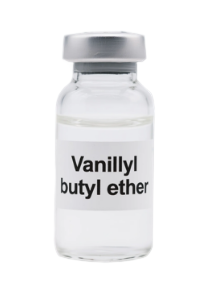
Among today’s innovative Cosmetic raw materials, Vanilil butil éter has become increasingly popular for premium personal care formulations.
Unlike traditional warming ingredients that may cause excessive irritation, Vanilil butil éter produces a gentle and long-lasting warming sensation while maintaining excellent formulation stability.
This unique sensory performance allows brands to create products that provide memorable user experiences without increasing formulation complexity.
Common applications include:
- Massage creams
- Body contouring products
- Sports recovery gels
- Warming masks
- Foot care creams
- Lip plumping formulations
As wellness and self-care continue to expand globally, Vanilil butil éter has become one of the most valuable Cosmetic raw materials for brands seeking product differentiation.
Pentylene Glycol: Supporting Moisturization and Preservation
Another important example of multifunctional Cosmetic raw materials is Pentilenglicol.
This ingredient performs several valuable functions simultaneously:
- Moisturizer
- Humectant
- Solvent
- Preservation booster
- Texture enhancer
Because Pentilenglicol contributes to both skin hydration and formulation stability, it is widely used in serums, creams, lotions, sunscreens, and hair care products.
Its multifunctionality enables manufacturers to simplify ingredient lists while improving product quality.
Hexylene Glycol: Improving Formulation Efficiency
Modern cosmetic formulations require ingredients that enhance manufacturing efficiency while maintaining excellent product aesthetics.
Hexilenglicol serves this purpose by functioning as an effective solvent and viscosity modifier.
Benefits include:
- Improved ingredient solubility
- Better texture
- Enhanced stability
- Manufacturing flexibility
As brands continue optimizing production efficiency, Hexilenglicol remains an important component among advanced Cosmetic raw materials.
Levulinic Acid: Renewable Solutions for Modern Cosmetics
Sustainability has increased interest in ingredients derived from renewable resources.
Ácido levulínico is one such ingredient that supports environmentally responsible product development.
Derived from biomass, Ácido levulínico contributes to preservation systems while aligning with clean beauty concepts.
Advantages include:
- Renewable source
- Broad formulation compatibility
- Support for preservation
- Sustainable positioning
- Excellent versatility
Its growing popularity reflects the industry’s movement toward greener Cosmetic raw materials.
Levulinic Acid Sodium Salt and Sodium Anisate: Alternative Preservation Systems
Preservation remains one of the most important aspects of cosmetic formulation.
Consumers increasingly prefer products that minimize traditional preservatives while maintaining product safety.
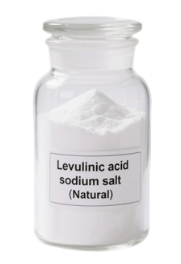
This has driven demand for preservation-supporting Cosmetic raw materials such as Levulinic acid sodium salt y Anisato de sodio.
Together, these ingredients offer several advantages:
- Mild preservation support
- Compatibility with clean beauty formulations
- Broad application range
- Suitable for sensitive skin products
Many modern skincare brands combine Levulinic acid sodium salt y Anisato de sodio to create preservation systems that satisfy both regulatory requirements and consumer expectations.
Vanillin and Ethyl Vanillin: Enhancing Consumer Experience
Sustainability extends beyond ingredient sourcing.
Consumers increasingly value products that deliver emotional comfort and enjoyable sensory experiences.
Vainillina y Etilvainillina provide warm, pleasant fragrance profiles widely used in:
- Body lotions
- Hand creams
- Lip care
- Hair care
- Bath products
- Personal fragrances
These fragrance ingredients help create memorable consumer experiences while supporting premium product positioning.
As demand for luxury self-care products grows, Vainillina y Etilvainillina remain valuable Cosmetic raw materials for fragrance development.
Clean Beauty Is Driving Ingredient Innovation
Clean beauty has become one of the strongest influences on ingredient development.
However, clean beauty no longer means using only naturally derived ingredients.
Instead, brands evaluate Cosmetic raw materials based on:
- Safety
- Scientific evidence
- Sostenibilidad
- Biodegradability
- Responsible sourcing
- Regulatory compliance
Many carefully engineered ingredients now satisfy clean beauty expectations while providing superior formulation performance.
This balanced approach enables manufacturers to create products that meet both consumer preferences and technical requirements.
Ingredient Transparency Builds Consumer Trust
Consumers today expect brands to explain why specific ingredients are included in formulations.
Providing transparent information about Cosmetic raw materials helps build long-term trust.
Successful brands increasingly communicate:
- Ingredient origin
- Functional benefits
- Safety testing
- Environmental impact
- Manufacturing quality
Transparency has become an important competitive advantage across global cosmetic markets.
Choosing Reliable Cosmetic Raw Material Partners
The quality of finished cosmetic products depends heavily on the quality of their ingredients.
Reliable suppliers of Cosmetic raw materials should provide:
- Consistent product quality
- International quality standards
- Complete technical documentation
- Regulatory compliance support
- Stable production capacity
- Professional formulation assistance
- Efficient global logistics
Long-term partnerships with experienced ingredient manufacturers enable cosmetic brands to accelerate innovation while maintaining consistent product quality.
Future Trends in Sustainable Cosmetic Raw Materials
The next generation of Cosmetic raw materials will continue evolving alongside consumer expectations and technological advances.
Several trends are expected to shape the industry over the coming years.
Biotecnología
Biotechnology will enable more sustainable ingredient production while improving purity and consistency.
Multifunctional Ingredients
Manufacturers will continue replacing multiple ingredients with multifunctional alternatives to simplify formulations.
Renewable Feedstocks
Greater use of renewable raw materials will reduce dependence on fossil-based resources.
Reduced Environmental Impact
Manufacturers will invest in cleaner production technologies and more efficient manufacturing processes.
Personalized Beauty
Customized skincare products will require highly versatile Cosmetic raw materials capable of meeting diverse formulation requirements.
Circular Economy
Ingredient manufacturers will increasingly support recyclable packaging, waste reduction, and resource efficiency throughout the supply chain.
Why Sustainable Cosmetic Raw Materials Matter
Consumers are no longer evaluating cosmetics based solely on price or brand reputation.
Instead, they consider:
- Ingredient quality
- Product performance
- Environmental responsibility
- Transparency
- Safety
- Ethical sourcing
This shift has transformed Cosmetic raw materials into strategic assets that directly influence brand reputation and market competitiveness.
Companies investing in innovative ingredients such as Vanilil butil éter, Pentilenglicol, Hexilenglicol, Ácido levulínico, Levulinic acid sodium salt, Anisato de sodio, Vainillinay Etilvainillina are better positioned to develop products that meet the evolving expectations of global consumers.
Conclusion
Sustainability is reshaping every aspect of the personal care industry, from ingredient sourcing and formulation design to manufacturing and consumer communication. Modern brands are looking beyond simple natural-versus-synthetic debates and instead focusing on Cosmetic raw materials that combine performance, safety, transparency, and environmental responsibility.
Innovative functional ingredients such as Vanilil butil éter, Pentilenglicol, Hexilenglicol, Ácido levulínico, Levulinic acid sodium salt, Anisato de sodio, Vainillinay Etilvainillina demonstrate how advanced ingredient technologies can support both sustainability goals and product excellence. Their multifunctional properties help simplify formulations, improve sensory appeal, enhance product stability, and contribute to clean beauty strategies.
As the cosmetics industry continues to evolve, the demand for high-quality Cosmetic raw materials will only grow stronger. Manufacturers that invest in sustainable innovation, responsible sourcing, and reliable ingredient partnerships will be well positioned to create next-generation personal care products that satisfy both regulatory requirements and the expectations of increasingly informed consumers.
 Spanish
  English
  Russian
  Japanese
  Korean
  Arabic