
.png)
The global personal care industry is evolving faster than ever before. Consumers are no longer satisfied with products that simply cleanse or moisturize their skin. They expect cosmetics to deliver multiple benefits, provide enjoyable sensory experiences, and align with sustainability and safety standards. As a result, Cosmetic raw materials have become the foundation of innovation, enabling brands to develop products that meet increasingly sophisticated consumer expectations.
Today’s manufacturers are investing heavily in advanced Cosmetic raw materials that offer multifunctionality, stability, and superior performance. Ingredients such as Vanilil butil éter, Pentilenglicol, Hexilenglicol, Ácido levulínico, Levulinic acid sodium salt, Anisato de sodio, Vainillinay Etilvainillina are playing a critical role in shaping the next generation of skincare, body care, hair care, and wellness products.
This article explores how innovative Cosmetic raw materials are driving the future of personal care, the trends influencing ingredient selection, and why choosing high-quality functional ingredients is essential for successful product development.
The Growing Importance of Cosmetic Raw Materials
Every successful cosmetic product begins with carefully selected Cosmetic raw materials. Whether developing a facial serum, body lotion, massage cream, shampoo, or premium spa treatment, formulators rely on functional ingredients to achieve desired texture, stability, efficacy, and consumer satisfaction.
Modern Cosmetic raw materials do far more than provide a single function. Many ingredients now offer multiple benefits, helping manufacturers simplify formulations while improving product performance.
Consumers are also becoming more knowledgeable about ingredient lists. Rather than focusing solely on brand names, they increasingly evaluate the quality and functionality of the Cosmetic raw materials used in their favorite products.
Market Trends Shaping Cosmetic Raw Materials
Several global trends are influencing the development and application of Cosmetic raw materials.
1. Multifunctional Ingredients
One of the strongest trends is the growing demand for multifunctional Cosmetic raw materials. Cosmetic manufacturers aim to reduce formulation complexity while maintaining high performance.
Multifunctional ingredients help reduce the number of components in a formulation, improve stability, and simplify manufacturing processes. This approach not only lowers production costs but also supports cleaner ingredient labels.
2. Sensory Innovation
Consumers increasingly value products that provide enjoyable application experiences. Texture, fragrance, warming sensations, and skin feel all influence purchasing decisions.
As a result, sensory-enhancing Cosmetic raw materials are becoming essential components of modern formulations.
3. Sustainability
Environmental responsibility has become a major consideration in ingredient selection. Manufacturers are seeking Cosmetic raw materials produced through sustainable processes, responsible sourcing, and efficient manufacturing technologies.
4. Clean Beauty
The clean beauty movement encourages brands to use carefully selected ingredients that combine safety, transparency, and performance. This trend has increased demand for naturally inspired and multifunctional Cosmetic raw materials.
Vanillyl Butyl Ether: Creating Innovative Sensory Experiences
Among today’s most exciting Cosmetic raw materials, Vanilil butil éter has gained significant attention due to its unique warming properties.
Unlike traditional heating ingredients that may cause excessive irritation, Vanilil butil éter produces a gentle, long-lasting warming sensation that enhances the overall user experience.
Because of these characteristics, Vanilil butil éter is widely used in:
- Massage creams
- Body slimming products
- Sports recovery gels
- Spa treatments
- Warming masks
- Foot care products
- Lip plumping formulations
As wellness and self-care products continue to grow in popularity, Vanilil butil éter is expected to become an increasingly important ingredient among advanced Cosmetic raw materials.
Pentylene Glycol: A Multifunctional Moisturizing Ingredient
Pentilenglicol has become one of the most versatile Cosmetic raw materials in the personal care industry.
Its primary functions include:
- Moisturizing
- Solvent properties
- Preservation boosting
- Texture improvement
- Enhanced active ingredient delivery
Because Pentilenglicol supports both product performance and formulation stability, it is commonly found in facial creams, serums, lotions, sunscreens, and hair care products.
Its compatibility with a wide range of ingredients makes Pentilenglicol a valuable choice for innovative cosmetic formulations.
Hexylene Glycol: Enhancing Product Performance
Another important member of today’s Cosmetic raw materials portfolio is Hexilenglicol.
Hexilenglicol functions as:
- Solvent
- Viscosity modifier
- Coupling agent
- Humectant
Its ability to improve ingredient solubility helps formulators create stable, elegant cosmetic products.
Many skincare and personal care products rely on Hexilenglicol to improve texture, consistency, and manufacturing efficiency.
Levulinic Acid: Supporting Sustainable Formulations
As brands pursue environmentally responsible formulations, Ácido levulínico has become increasingly attractive among modern Cosmetic raw materials.
Derived from renewable biomass, Ácido levulínico supports sustainability initiatives while contributing to product preservation systems.
Benefits of Ácido levulínico include:
- Renewable origin
- Excellent compatibility
- Support for preservation
- Clean beauty positioning
- Broad formulation flexibility
Its growing popularity reflects the industry’s shift toward greener ingredient solutions.
Levulinic Acid Sodium Salt: Modern Preservation Support
Levulinic acid sodium salt has become an important component of alternative preservation systems.
Many formulators combine Levulinic acid sodium salt with other preservation-supporting ingredients to create effective protection while meeting consumer preferences for milder formulations.
Applications include:
- Facial skincare
- Baby care
- Natural cosmetics
- Organic-inspired formulations
- Sensitive skin products
The increasing use of Levulinic acid sodium salt demonstrates how Cosmetic raw materials continue to evolve alongside changing regulatory and consumer expectations.
Sodium Anisate: Meeting Clean Beauty Demands
Consumers increasingly seek products formulated with ingredients that support both safety and performance.
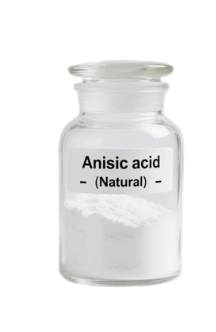
Anisato de sodio has become a valuable ingredient in modern preservation systems due to its compatibility with naturally inspired formulations.
Advantages of Anisato de sodio include:
- Preservation support
- Mild formulation profile
- Excellent compatibility
- Suitable for clean beauty concepts
As brands continue reformulating products to meet global market demands, Anisato de sodio is expected to play an even greater role among premium Cosmetic raw materials.
Vanillin and Ethyl Vanillin: Creating Memorable Fragrance Experiences
Fragrance remains one of the strongest emotional connections consumers have with cosmetic products.
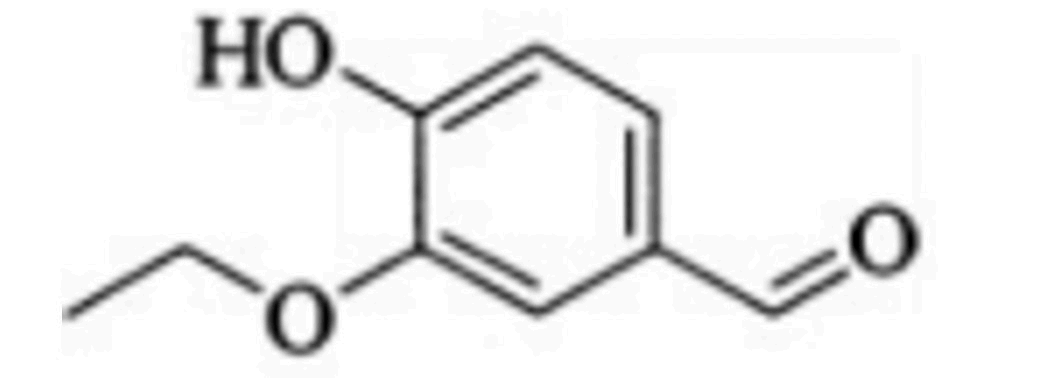
Vainillina y Etilvainillina contribute warm, sweet, comforting aromas that enhance consumer enjoyment across numerous product categories.
These ingredients are commonly found in:
- Body lotions
- Hand creams
- Lip care
- Bath products
- Hair care
- Candles
- Personal fragrances
Although often associated with flavor applications, Vainillina y Etilvainillina also serve as valuable Cosmetic raw materials, helping brands create premium sensory experiences.
Why Functional Cosmetic Raw Materials Matter
Consumers increasingly expect cosmetics to perform multiple functions simultaneously.
For example, one skincare product may provide:
- Moisturization
- Skin conditioning
- Pleasant fragrance
- Enhanced texture
- Improved stability
- Sensory warming effect
- Long shelf life
Achieving these benefits requires carefully selected Cosmetic raw materials working together in harmony.
Functional ingredients simplify formulation while improving product quality, making them essential for modern cosmetic innovation.
Innovation Through Ingredient Synergy
Rather than relying on individual ingredients, formulators increasingly combine multiple Cosmetic raw materials to maximize performance.
For example:
- Pentilenglicol improves moisture retention.
- Hexilenglicol enhances ingredient solubility.
- Ácido levulínico supports preservation.
- Levulinic acid sodium salt strengthens preservation systems.
- Anisato de sodio complements mild preservation strategies.
- Vanilil butil éter creates warming sensations.
- Vainillina provides comforting fragrance.
- Etilvainillina enriches aroma profiles.
Together, these Cosmetic raw materials create products that offer superior functionality and consumer satisfaction.
The Future of Cosmetic Raw Materials
Several emerging trends will continue driving innovation in Cosmetic raw materials over the coming years.
Biotecnología
Biotechnology is enabling the development of sustainable ingredient production methods while improving purity and consistency.
Personalized Beauty
Customized skincare solutions require highly versatile Cosmetic raw materials capable of supporting individual consumer needs.
Minimalist Formulations
Brands increasingly prefer multifunctional ingredients that reduce formulation complexity without compromising performance.
Sostenibilidad
Renewable sourcing, environmentally friendly manufacturing, and transparent supply chains will become even more important when selecting Cosmetic raw materials.
Enhanced Consumer Experience
Ingredients that improve texture, fragrance, warming effects, and overall sensory perception will remain key differentiators in premium personal care products.
Choosing High-Quality Cosmetic Raw Materials
Selecting reliable suppliers of Cosmetic raw materials is essential for maintaining product quality and regulatory compliance.
When evaluating ingredient partners, manufacturers should consider:
- Consistent product quality
- Technical documentation
- Regulatory compliance
- Stable supply capacity
- Quality management systems
- Global export experience
- Technical formulation support
Reliable ingredient partners help cosmetic brands accelerate product development while minimizing production risks.
Conclusion
The future of the personal care industry will be defined by innovation, sustainability, and multifunctionality, all of which depend on high-quality Cosmetic raw materials. As consumer expectations continue to evolve, manufacturers must select ingredients that not only perform effectively but also enhance the overall user experience.
Functional ingredients such as Vanilil butil éter, Pentilenglicol, Hexilenglicol, Ácido levulínico, Levulinic acid sodium salt, Anisato de sodio, Vainillinay Etilvainillina are becoming indispensable building blocks for next-generation skincare, body care, hair care, and wellness products. Their unique properties enable formulators to create products that combine efficacy, stability, sensory appeal, and sustainability.
Looking ahead, advancements in formulation science, biotechnology, and clean beauty will further expand the possibilities for Cosmetic raw materials. Companies that invest in premium ingredients, strong supplier partnerships, and continuous innovation will be better positioned to meet the demands of global consumers and lead the future of the personal care market.
 Spanish
  English
  Russian
  Japanese
  Korean
  Arabic