
.png)
The global cosmetics and personal care industry is undergoing a significant transformation as consumers become more informed about ingredient sourcing, product safety, sustainability, and performance. One of the most debated topics in the beauty industry today is the comparison between natural and synthetic cosmetic ingredients. While natural ingredients are often associated with clean beauty and sustainability, synthetic ingredients continue to play a critical role in delivering consistency, stability, and proven efficacy.
As cosmetic brands seek to balance consumer expectations with product performance, ingredients such as Ваниллил бутиловый эфир, Ванилин, Этил ванилин, и Левулиновая кислота have gained increasing attention. Whether naturally derived or synthetically produced, these ingredients help formulators create innovative products that meet modern market demands.
This article explores the latest market trends surrounding natural and synthetic cosmetic ingredients, examines the advantages and challenges of each category, and highlights how ingredient innovation is shaping the future of the beauty industry.
Understanding Natural and Synthetic Cosmetic Ingredients
Natural cosmetic ingredients are generally derived from plants, minerals, or other naturally occurring sources. Examples include botanical extracts, essential oils, plant-based humectants, and naturally derived preservatives.
Synthetic cosmetic ingredients, on the other hand, are created through controlled chemical processes. Contrary to common misconceptions, synthetic ingredients are not necessarily unsafe. In many cases, synthetic materials offer superior purity, consistency, and functionality compared to their natural counterparts.
The debate is no longer simply about whether natural or synthetic ingredients are better. Instead, modern cosmetic manufacturers focus on selecting ingredients based on safety, efficacy, sustainability, and consumer needs.
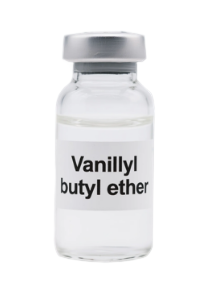
For example, Ваниллил бутиловый эфир is widely used in skincare and personal care products because it provides a controlled warming sensation that would be difficult to achieve consistently with many natural alternatives.
The Rise of Clean Beauty
Over the past decade, clean beauty has become one of the most influential movements in the cosmetics industry. Consumers increasingly seek products with transparent ingredient lists and environmentally responsible sourcing.
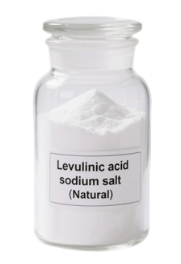
This trend has boosted demand for naturally derived ingredients such as Левулиновая кислота, which can be sourced from renewable plant materials. As brands promote sustainability and eco-friendly formulations, ingredients with natural origins continue to gain popularity.
However, clean beauty does not necessarily exclude synthetic ingredients. Many modern formulations combine natural extracts with scientifically engineered materials to achieve optimal performance.
For instance, Ваниллил бутиловый эфир is frequently incorporated into body care products, massage creams, and warming skincare treatments because it delivers a reliable sensory experience that consumers appreciate.
Why Synthetic Ingredients Remain Essential
Despite the growing popularity of natural cosmetics, synthetic ingredients continue to dominate many product categories.
There are several reasons why formulators rely on synthetic materials:
Consistent Quality
Natural ingredients may vary depending on climate, harvest conditions, and geographical origin. Synthetic ingredients offer greater batch-to-batch consistency.
Improved Stability
Many synthetic materials exhibit better stability under varying temperatures, pH levels, and storage conditions.
Enhanced Performance
Certain product functions can only be achieved effectively through synthetic chemistry. Ваниллил бутиловый эфир, for example, provides a long-lasting warming effect that is difficult to replicate using natural extracts alone.
Cost Efficiency
Synthetic ingredients can often be produced at larger scales, helping manufacturers maintain competitive pricing while ensuring reliable supply.
These advantages explain why synthetic ingredients remain indispensable in modern cosmetic formulations.
Vanillyl Butyl Ether and the Demand for Functional Ingredients
One of the most important trends in today’s cosmetic industry is the increasing demand for multifunctional and performance-driven ingredients.
Ваниллил бутиловый эфир has emerged as a popular ingredient because it offers both sensory enhancement and formulation flexibility. Unlike traditional heating ingredients that may cause excessive irritation, Ваниллил бутиловый эфир creates a gradual and comfortable warming sensation.
This unique characteristic has led to widespread adoption of Ваниллил бутиловый эфир in:
- Massage creams
- Body contouring products
- Sports recovery gels
- Warming masks
- Wellness treatments
- Foot care products
- Lip care formulations
As consumers seek products that deliver noticeable experiences, Ваниллил бутиловый эфир continues to gain market relevance.
The growing popularity of Ваниллил бутиловый эфир reflects a broader shift toward functional cosmetic ingredients that provide tangible benefits beyond basic skincare.
Market Trends Driving Ingredient Innovation
Trend 1: Hybrid Formulations
Rather than choosing exclusively natural or synthetic ingredients, many brands now adopt hybrid formulations.
These products combine botanical extracts with scientifically developed ingredients such as Ваниллил бутиловый эфир to maximize both performance and consumer appeal.
Hybrid formulations allow brands to leverage the marketing benefits of natural ingredients while maintaining product stability and efficacy.
Trend 2: Sustainable Ingredient Development
Sustainability has become a major purchasing factor for both consumers and manufacturers.
Ingredients such as Левулиновая кислота are increasingly valued because they can be derived from renewable biomass sources. Cosmetic companies are investing heavily in sustainable chemistry to reduce environmental impact.
At the same time, manufacturers are developing more environmentally responsible production methods for synthetic ingredients.
Trend 3: Sensory Beauty Experiences
Modern consumers expect more than visible results. They also seek enjoyable application experiences.
This trend has increased demand for sensory-enhancing ingredients such as Ваниллил бутиловый эфир, which creates warmth and comfort during product use.
Brands are using Ваниллил бутиловый эфир to differentiate products in highly competitive markets.
Trend 4: Transparency and Ingredient Education
Consumers are becoming increasingly educated about cosmetic ingredients.
As a result, cosmetic brands and every reputable Cosmetic Ingredients supplier must provide clear information about ingredient functions, sourcing, and safety profiles.
Transparency is no longer optional—it has become a key competitive advantage.
The Growing Importance of Aroma Ingredients
Fragrance-related ingredients continue to play a crucial role in personal care products.
Among the most widely used aroma compounds are Ванилин и Этил ванилин.
Vanillin in Cosmetics
Ванилин is known for its warm, sweet aroma and is commonly used in perfumes, lotions, body creams, and personal care products.
Many cosmetic companies work directly with a professional Vanillin manufacturer to ensure consistent quality and supply reliability.
As demand for premium fragrances increases, the global market for Ванилин continues to expand.
Ethyl Vanillin Applications
Compared with traditional Ванилин, Этил ванилин offers a stronger and more intense aroma profile.
Because of its enhanced fragrance strength, Этил ванилин is frequently used in high-end cosmetic and personal care formulations.
Both Ванилин и Этил ванилин contribute significantly to product differentiation and consumer satisfaction.
Levulinic Acid and the Future of Sustainable Cosmetics
Among naturally derived cosmetic ingredients, Левулиновая кислота has attracted substantial interest from formulators and sustainability advocates.
Левулиновая кислота can be produced from renewable agricultural resources and serves multiple functions in cosmetic formulations.
Benefits of Левулиновая кислота include:
- Improved formulation stability
- Support for preservative systems
- Compatibility with clean beauty concepts
- Renewable sourcing potential
- Versatility across product categories
As sustainability becomes a core industry priority, demand for Левулиновая кислота is expected to increase globally.
How Cosmetic Ingredients Suppliers Are Adapting
The evolving market has placed new demands on every Cosmetic Ingredients supplier.
Today’s Cosmetic Ingredients supplier must provide more than raw materials. Customers increasingly expect:
- Technical support
- Regulatory guidance
- Sustainability documentation
- Quality assurance
- Customized solutions
- Global logistics support
A leading Cosmetic Ingredients supplier helps brands navigate complex formulation challenges while meeting changing regulatory and consumer expectations.
Partnerships between cosmetic brands and ingredient suppliers have become more strategic than ever before.
Consumer Perception: Natural vs Synthetic
Consumer attitudes toward ingredients continue to evolve.
While many consumers initially favor natural ingredients, research indicates that purchasing decisions are increasingly influenced by performance, safety, and transparency rather than ingredient origin alone.
When consumers understand the purpose and safety profile of ingredients such as Ваниллил бутиловый эфир, they are often willing to embrace scientifically developed materials that improve product performance.
This shift suggests that education and communication will remain essential components of future cosmetic marketing strategies.
The Future Outlook for Cosmetic Ingredients
The future of the cosmetics industry will likely be characterized by balance rather than polarization.
Natural ingredients will continue to grow due to consumer demand for sustainability and environmental responsibility.
At the same time, synthetic ingredients such as Ваниллил бутиловый эфир will remain vital because of their reliability, performance, and ability to create innovative product experiences.
Ingredients like Ванилин, Этил ванилин, и Левулиновая кислота demonstrate how both natural and synthetic chemistry can contribute to successful cosmetic formulations.
Companies that combine scientific innovation with sustainable practices will be best positioned to meet future market demands.
Conclusion
The debate between natural and synthetic cosmetic ingredients is becoming increasingly nuanced. Rather than viewing these categories as competitors, modern formulators recognize that both offer unique advantages.
Natural ingredients support sustainability initiatives and clean beauty positioning, while synthetic ingredients deliver consistency, stability, and advanced functionality. As a result, hybrid formulations are becoming the industry standard.
Ingredients such as Ваниллил бутиловый эфир, Ванилин, Этил ванилин, и Левулиновая кислота illustrate how ingredient innovation continues to shape modern skincare and personal care products. Meanwhile, every forward-thinking Cosmetic Ingredients supplier and professional Vanillin manufacturer plays a critical role in supporting brands as they respond to changing consumer preferences.
As the beauty industry continues to evolve, successful companies will be those that embrace both natural and synthetic technologies to create safe, effective, sustainable, and consumer-focused products that meet the expectations of the next generation of beauty consumers.
 Russian
  English
  Spanish
  Japanese
  Korean
  Arabic