


.png)
Global demand for premium spa treatments is soaring.
A great massage requires the perfect balance of glide, absorption, and therapeutic benefits.
Understanding these ingredients is vital for formulators and cosmetic brands.
In this post, you will explore everything from base oils to advanced warming agents and natural preservatives.
Base Oils and Butters: The Foundation of Massage Formulations
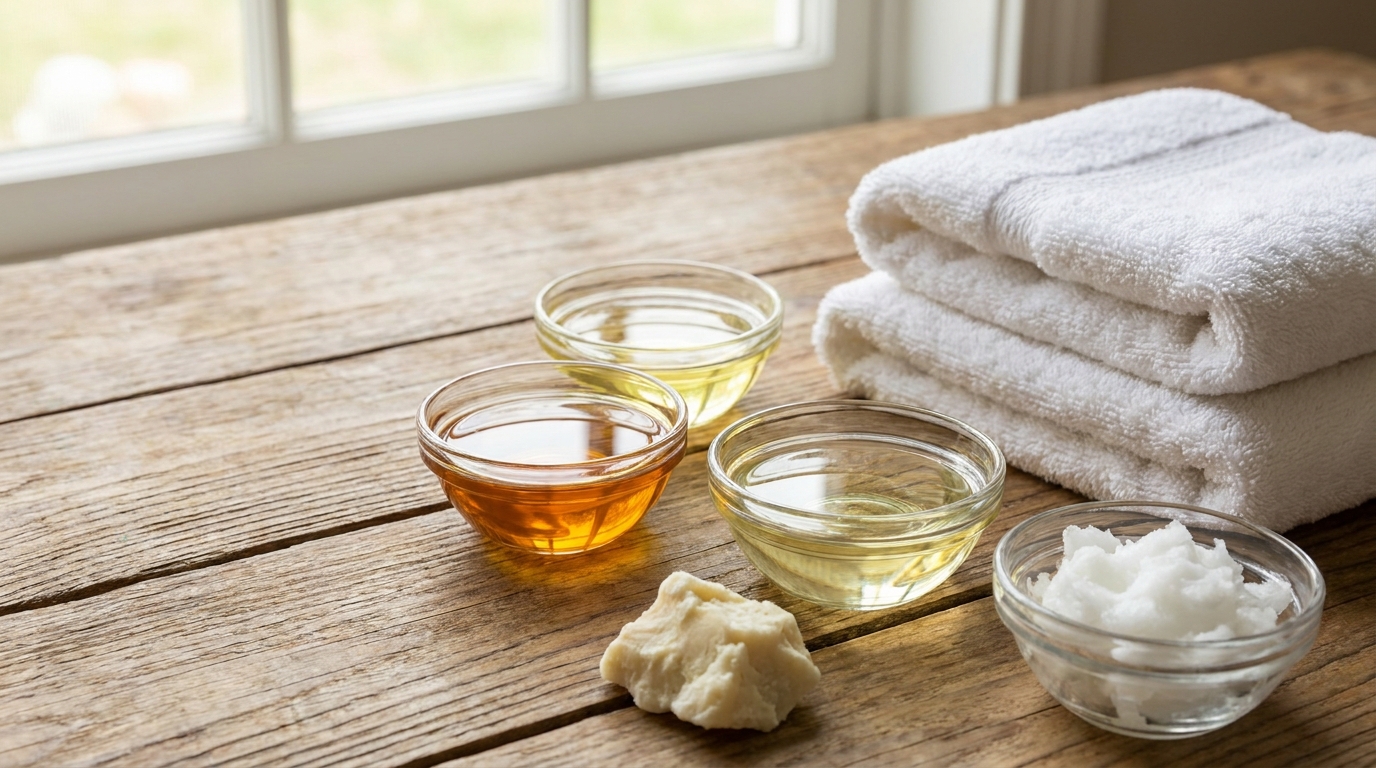
Every great spa treatment starts with a reliable base. These foundational ingredients commonly used in massage products serve a clear primary role. They provide essential glide, reduce skin friction, and nourish the skin barrier.
Formulators often call these carrier oils or fixed oils. They determine a product’s viscosity and play time. A well-formulated base prevents skin drag during a session. It also dictates how quickly the product absorbs into the skin.
Popular Carrier Oils in the Industry
Choosing the right oil depends on the specific modality and client needs. Here are three popular carrier oils favored by industry professionals:
- Sweet Almond Oil: This lightweight oil offers an average absorption rate. It contains abundant vitamins and provides excellent slip for flowing effleurage strokes.
- Jojoba Oil: Technically a liquid wax ester, jojoba closely mimics human sebum. It boasts a shelf life of up to five years. Its low comedogenic rating makes it perfect for facial massages and acne-prone skin.
- Fractionated Coconut Oil: This modified oil remains liquid at room temperature. It feels non-greasy and washes out of linens easily. This helps therapists avoid stubborn stains and rancid smells on massage sheets.
Carrier Oil Comparison
Different base oils offer unique benefits for specific treatments. Use this quick reference guide to select the right option.
| Base Ingredient | Absorption Rate | Best Used For | Key Benefit |
|---|---|---|---|
| Sweet Almond Oil | Average | Swedish Massage | Rich in skin-nourishing vitamins |
| Jojoba Oil | Fast | Facial Massage | Non-comedogenic and mimics natural sebum |
| Fractionated Coconut | Fast | High-Volume Clinics | Water-dispersible and prevents sheet stains |
| Shea Butter | Slow | Deep Tissue | Melts at body temperature for targeted grip |
High-Quality Moisturizers and Emollients
Some modalities require more grip than slip. Deep tissue and sports massages often rely on thicker creams or solid balms. Formulators achieve this texture by incorporating rich plant butters.
Shea butter and cocoa butter act as powerful emollients. Shea butter naturally melts at body temperature, around 98.6 degrees Fahrenheit. It transforms from a solid into a smooth, workable lubricant. These ingredients seal in moisture and provide the necessary friction for high-pressure muscle work.
Sourcing reliable components is crucial for cosmetic brands. As a trusted massage product ingredients supplier, Jiangsu Holly Uwill International Trade Co., Ltd. leverages over 30 years of experience. We provide ISO and FDA-certified moisturizers and raw materials. This ensures your base formulations remain stable, ethical, and highly effective.
Water content also matters when formulating these thicker products. Lotions and creams typically contain 60 to 80 percent water. This requires careful stabilization to maintain the perfect consistency without clogging dispensing pumps.
Active Additives and Therapeutic Enhancers
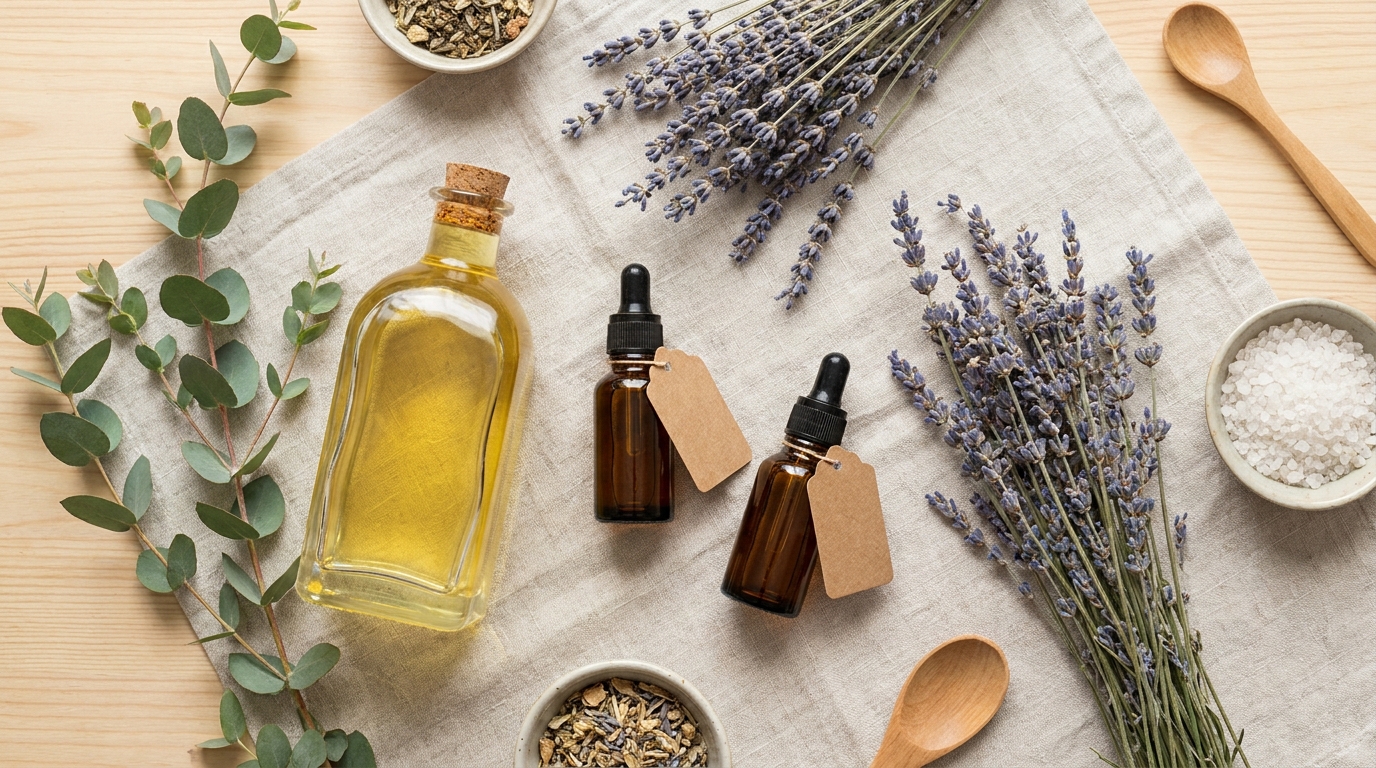
While stabilizing high water content keeps pumps flowing smoothly, base formulations often need an extra boost. Active additives and therapeutic enhancers step in here. They transform a simple glide into a targeted spa treatment.
Essential Oils for Muscle and Sensory Relief
Formulators frequently use essential oils to add sensory benefits. Lavender promotes deep relaxation and eases stress. Eucalyptus and peppermint offer a distinct cooling sensation. They help relieve tight muscles after intense sports sessions.
Safety remains a priority when handling these potent extracts. The standard industry dilution ratio for body treatments is 1 to 3 percent. This equals about 6 to 18 drops of essential oil per ounce of carrier oil. While peppermint cools, other modalities require heat. Many formulators rely on thermal massage cream ingredients to create soothing, warming sensations for deep tissue therapies.
Moisturizers and Skin-Conditioning Agents
Premium spa products do more than just reduce friction. They actively improve overall skin health. You need high-quality moisturizers and skin-conditioning agents to achieve this. Humectants like glycerin draw moisture directly into the skin. Occlusives such as beeswax seal it securely inside. Together, they leave clients feeling deeply hydrated rather than greasy.
Extending Shelf Life Safely
As we covered earlier, lotions and creams contain significant water levels. This moisture creates a breeding ground for microbes. You must use preservatives to keep these products safe. The cosmetics industry is rapidly shifting away from traditional parabens. Brands now favor paraben-free alternatives like phenoxyethanol and potassium sorbate.
Adding 0.5 to 1.0 percent Vitamin E also helps. It acts as a powerful natural antioxidant. It slows oxidation and prevents base oils from turning rancid on clinic shelves.
Sustainable and Ethically Sourced Raw Materials
Modern consumers care deeply about what goes on their skin. They demand clean labels and total transparency. Using sustainable raw materials elevates your brand reputation. It builds lasting consumer trust.
Jiangsu Holly Uwill International Trade Co., Ltd. provides ethical, customized formulation solutions. We manufacture natural preservatives, flavor enhancers, and moisturizers in state-of-the-art facilities. As a premier source for wholesale massage oil additives, we ensure every ingredient meets strict ISO and FDA certifications.
Reference Guide for Formulation Additives
| Additive Category | Common Examples | Primary Function in Formulation |
|---|---|---|
| Sensory Enhancers | Lavender, Eucalyptus | Aromatherapy and targeted muscle relaxation |
| Skin Conditioners | Glycerin, Lanolin | Bind and seal skin moisture effectively |
| Natural Preservatives | Potassium Sorbate, Vitamin E | Prevent microbial growth and oil rancidity |
| Warming Agents | Ваниллил бутиловый эфир | Generate soothing heat for muscle therapy |
Temperature-Modifying Agents: Warming and Cooling Sensations
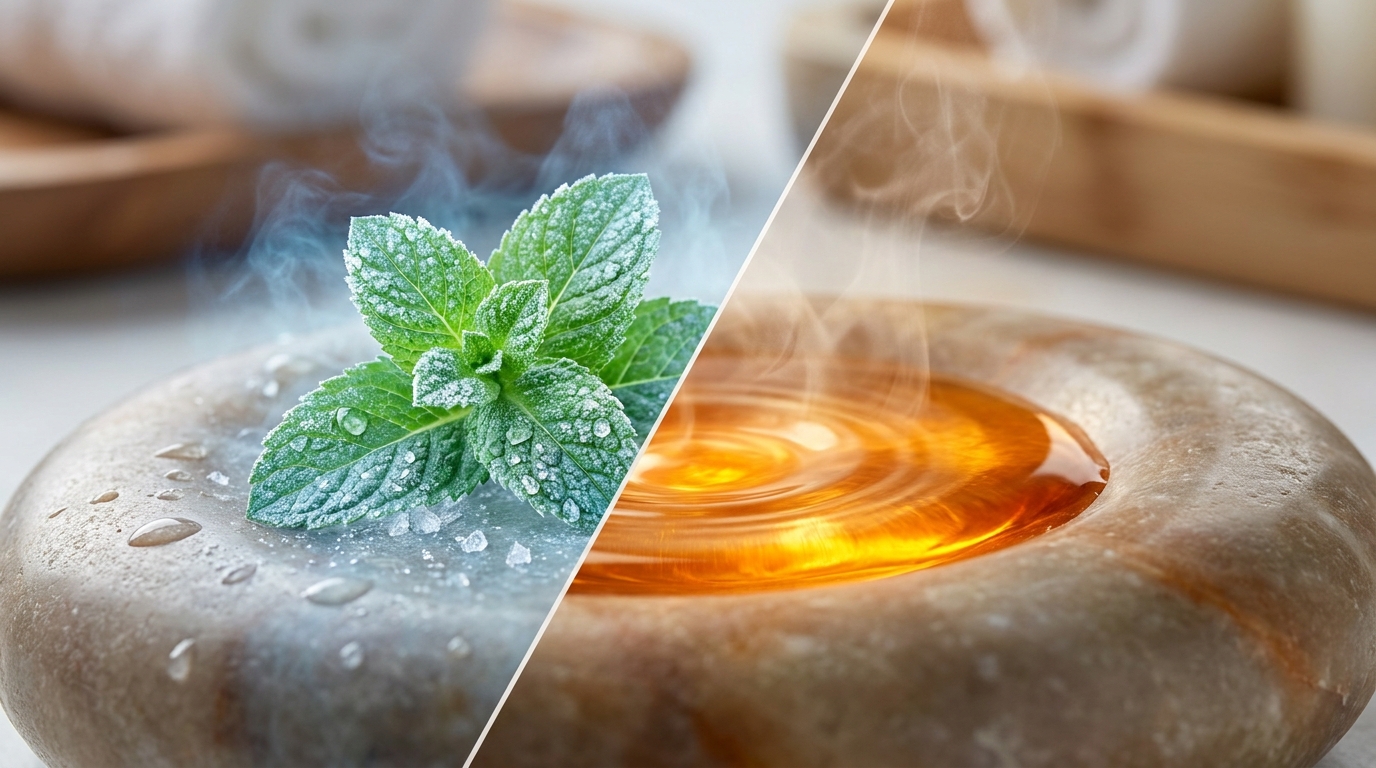
We just saw how sensory enhancers and natural preservatives elevate a basic formulation. Now, let us explore how temperature modification takes therapeutic treatments further. Therapists highly seek these agents for sports and deep tissue massages. They help manipulate blood flow and relax stubborn knots. These additives also provide immediate relief to overworked muscles.
Cooling Ingredients for Immediate Relief
Formulators often rely on menthol and camphor for cold therapy. These ingredients commonly used in massage products trigger cold-sensitive skin receptors. They deliver a rapid, icy sensation upon application. This immediate cooling effect works wonders for acute injuries or post-workout recovery. It numbs sharp pain before deeper muscle work begins. It also reduces perceived inflammation during intense therapy sessions.
Generating Heat for Deep Muscle Relaxation
While cooling agents numb pain, heat encourages muscles to loosen. Thermal therapies increase local blood circulation significantly. This helps flush out lactic acid quickly. It prepares tissues for high-pressure friction and deep strokes. To achieve this, brands need reliable warming body oil raw materials. The right components create luxurious, heat-generating spa products. They allow therapists to work deeper without causing client discomfort.
A Deep Dive into Vanillyl Butyl Ether (VBE)
Historically, formulators used pepper extracts like capsaicin to create heat. However, capsaicin often causes severe skin irritation and redness. It can leave a harsh burning sensation behind. Today, the industry prefers a much safer alternative.
Formulators increasingly choose vanillyl butyl ether for massage (VBE). This agent provides a mild, long-lasting heat profile. Unlike pepper extracts, VBE activates heat receptors gently. It does not trigger active pain signals. Clients experience a soothing warmth lasting up to two hours.
Sourcing high-quality VBE is critical for overall cosmetic safety. Jiangsu Holly Uwill International Trade Co., Ltd. is a trusted warming agent manufacturer. We leverage over 30 years of industry experience. Our state-of-the-art facilities produce stable, ethical ingredients. We ensure every batch meets strict ISO and FDA certifications. This guarantees your thermal products remain safe and effective.
Comparing Temperature-Modifying Agents
Let us look at how these temperature-modifying ingredients compare for spa applications.
| Active Ingredient | Sensation Type | Primary Benefit | Drawbacks or Risks |
|---|---|---|---|
| Menthol | Rapid Cooling | Numbs acute pain immediately | Strong odor can overpower other scents |
| Capsaicin | Intense Heat | Forces deep tissue circulation | High risk of burning and skin irritation |
| Vanillyl Butyl Ether (VBE) | Mild, Sustained Heat | Provides long-lasting, gentle warmth | Requires precise formulation ratios |
Sourcing Quality Raw Materials: Choosing the Right Partner
We just explored how advanced temperature-modifying agents elevate therapeutic treatments. However, even the best formulation falls flat without high-quality components. The efficacy of ingredients commonly used in massage products relies heavily on choosing a reputable supplier.
Why Efficacy Relies on Your Supplier
Whether you formulate lightweight lotions or thick deep-tissue balms, consistency matters. Poor-quality carrier oils can oxidize quickly on clinic shelves. Impure active additives might trigger unwanted skin reactions. A reliable raw material provider ensures every batch performs exactly as intended. They protect your brand reputation and keep your clients safe.
Key Factors for Evaluating Cosmetic Partners
Finding the right partner for large-scale cosmetic production requires careful evaluation. You need more than just competitive pricing. Modern consumers demand ethical sourcing and total transparency. You should look for suppliers holding strict ISO and FDA certifications. These credentials guarantee clean, safe manufacturing environments.
When sourcing wholesale additives, verify their sustainability practices. Ethical sourcing builds consumer trust quickly. It also ensures long-term availability for your most popular product lines. You avoid sudden supply chain disruptions this way.
Partnering with an Expert Manufacturer
Creating stable, heat-generating spa products requires precise chemical engineering. Partnering with an expert warming agent manufacturer eliminates formulation guesswork. They provide pure, consistent materials for your thermal creams. This ensures your final product delivers soothing heat without causing skin irritation.
Jiangsu Holly Uwill International Trade Co., Ltd. stands out as a premier VBE cosmetic supplier. We bring over 30 years of experience to the cosmetics industry. Our state-of-the-art facilities produce natural preservatives, flavor enhancers, and high-quality moisturizers. We specialize in sustainable, ethical, and customized formulation solutions. Backed by ISO and FDA certifications, we help global personal care brands scale confidently.
Supplier Evaluation Checklist
Use this quick reference guide to evaluate potential raw material partners for your cosmetic brand.
| Evaluation Criteria | Why It Matters | Industry Standard to Look For |
|---|---|---|
| Quality Certifications | Guarantees safe, clean, and consistent manufacturing | ISO and FDA certifications |
| Sourcing Practices | Builds consumer trust and brand loyalty | Sustainable and ethical supply chains |
| Industry Experience | Ensures deep knowledge of formulation stability | Decades of specialized chemical manufacturing |
| Customization Options | Allows brands to create unique, targeted treatments | Custom formulation solutions and scaling support |
Formulating for Different Types of Massage Products
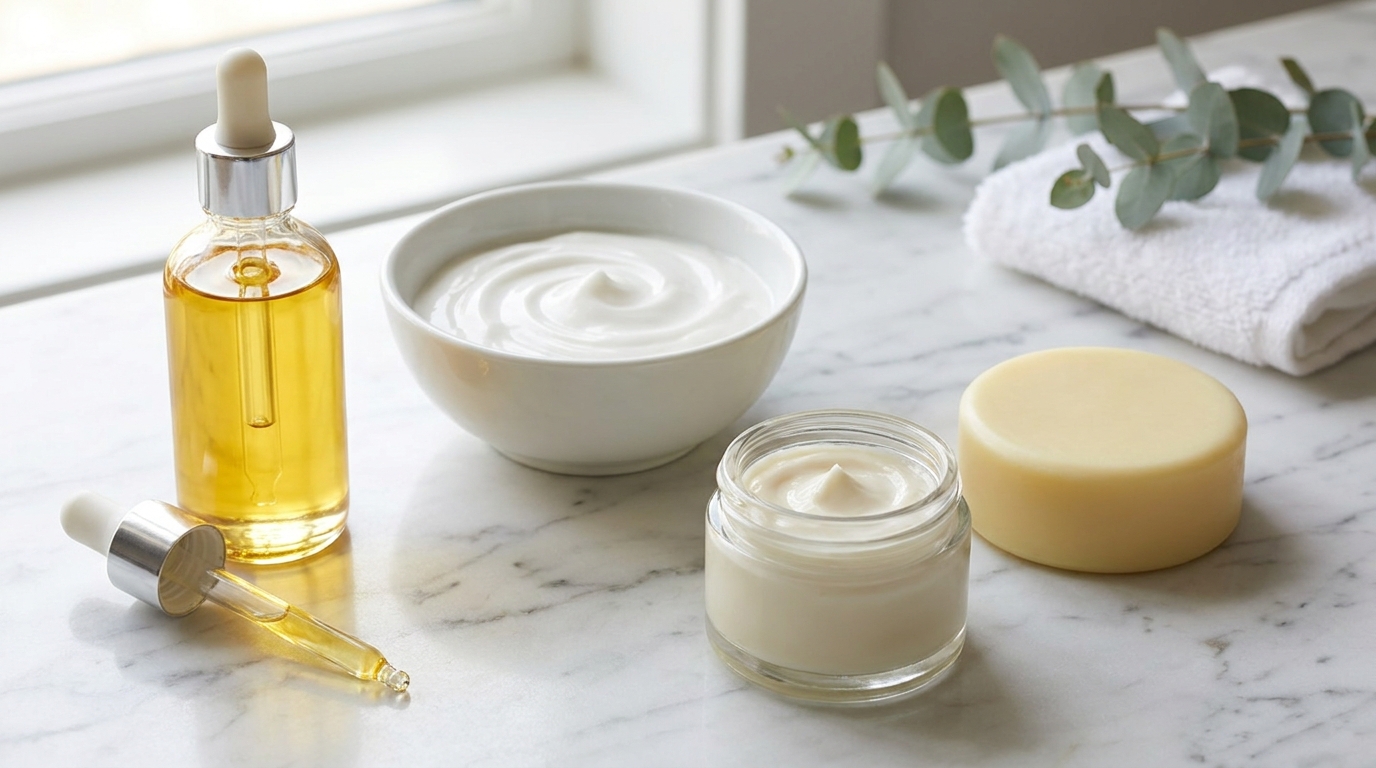
We just discussed how crucial it is to evaluate raw material suppliers for quality and safety. Now, let us look at how those sourced components actually come together. Formulating the perfect spa product means understanding the specific therapy modality. Different treatments require entirely different textures and performance metrics. You must carefully balance the ingredients commonly used in massage products to create successful oils, lotions, bars, and gels.
Massage Oils: Viscosity and Spreadability
Oils remain the most traditional choice for bodywork. They offer high spreadability and excellent glide for flowing strokes. As covered earlier, blending different carrier oils helps you adjust the final viscosity. Fast-absorbing options like grapeseed oil prevent a heavy, greasy after-feel.
For facial treatments, you must prioritize non-comedogenic properties. Ingredients like jojoba oil score a zero on the comedogenic scale. This means they will not clog pores or trigger acne breakouts. Formulators must also consider the flash point of their oil blends. Oils with low flash points can increase fire risks in commercial laundry dryers if not washed out completely.
Massage Creams and Lotions: Balancing Phases
Lotions provide excellent slip for light effleurage strokes. Creams offer the specific grip needed for deep tissue work. Both formats require blending water and oil phases together. As noted previously, these products typically contain 60 to 80 percent water.
This high water content demands effective emulsifiers to prevent the formula from separating. It also requires robust natural preservatives to stop microbial growth. Thick creams can sometimes cause pump clogging in standard clinic dispensing equipment. Formulators must test viscosity and flow resistance carefully.
Our team at Jiangsu Holly Uwill International Trade Co., Ltd. helps brands navigate these exact challenges. We leverage over 30 years of experience to provide customized formulation solutions. We supply ISO and FDA-certified moisturizers and natural preservatives. This ensures your creams maintain perfect consistency and safety on the shelf.
Solid Massage Bars: Waxes and Hard Butters
Solid bars are gaining massive popularity for their spill-proof nature. They rely heavily on occlusives like beeswax and hard plant butters. Shea butter and cocoa butter are prime examples for this format.
These specific ingredients remain completely solid at room temperature. However, they melt perfectly upon skin contact at around 98.6 degrees Fahrenheit. This format provides excellent friction and drag. It works beautifully for localized, high-pressure sports therapy. Solid bars also eliminate the need for plastic dispensing pumps entirely.
Therapeutic Gels: Water-Based Control
Gels offer a highly unique middle ground for therapists. They provide the smooth glide of an oil but with much better control. You experience far fewer spill risks during a busy session. Gels also often require less frequent reapplication than standard lotions.
Formulators build these water-based formulas using specialized thickening agents. These bases act as excellent carriers for active therapeutic additives. You can easily incorporate targeted thermal agents or cooling menthol into a gel base. This delivers rapid relief directly to overworked muscles without leaving a sticky residue.
Product Format Comparison Guide
Use this reference table to understand how different formats serve specific therapeutic needs.
| Product Format | Primary Base Ingredients | Best Modality | Key Advantage |
|---|---|---|---|
| Liquid Oil | Carrier oils, liquid wax esters | Swedish and flowing massage | Maximum glide and spreadability |
| Lotion | High water content, light oils | Light tissue work | Absorbs quickly without greasy residue |
| Thick Cream | Low water content, heavy butters | Deep tissue massage | Provides strong grip and friction |
| Solid Bar | Beeswax, Shea butter | Targeted sports therapy | Spill-proof and melts on contact |
| Therapeutic Gel | Water base, thickeners, actives | Pain relief and recovery | High control with minimal reapplication |
Conclusion
High-quality ingredients commonly used in massage products define the consumer experience. A perfect formula balances natural base oils, effective moisturizers, and advanced warming agents. Brands must source sustainable materials to succeed. Partner with certified suppliers like Jiangsu Holly Uwill International Trade Co., Ltd. Elevate your cosmetic product line today.
- Review your current massage product formulas.
- Identify areas needing safe natural preservatives.
- Request samples of advanced warming agents.
- Contact our expert team for custom solutions.
Frequently Asked Questions About Ingredients Commonly Used in Massage Products
What are the best nut-free massage oils for clients with allergies?
Clients with severe allergies need safe nut-free alternatives. Seed-based oils work perfectly for this purpose. You can use grapeseed oil or sunflower oil safely. Synthetic esters like isopropyl myristate are also great options. These choices prevent allergic reactions during treatments. They still provide excellent glide and skin nourishment.
How do I remove massage oil stains from linens?
Oil stains and rancid smells often ruin massage sheets. You should choose water-dispersible oils to prevent this issue. These oils contain surfactants that wash out of linens easily. You can do a quick sheet test at home. Just drop oil on a cloth and rinse with warm water. If it turns milky and washes clean, it is safe.
Which massage products absorb quickly without feeling greasy?
Nobody wants to feel slimy after a relaxing massage session. Fast-absorbing carrier oils solve this common problem easily. Grapeseed and rosehip oils soak into the skin very quickly. Jojoba oil is another fantastic choice for facial massages. It closely matches human skin sebum for a natural feel. These ingredients leave the skin soft without heavy residue.
Why are preservatives necessary in massage creams and lotions?
Lotions and creams typically contain a lot of water. This high water content encourages harmful microbial growth over time. Preservatives stop this growth to keep your products safe. Jiangsu Holly Uwill International Trade Co., Ltd. manufactures excellent natural preservatives. They provide sustainable and ethical formulation solutions for cosmetic brands. These high-quality ingredients ensure your massage products remain fresh.
What is the best lubricant for deep tissue massage?
Deep tissue massage requires more grip and less slip. Creams and massage waxes are ideal for this specific modality. They provide excellent friction for localized, high-pressure muscle work. Lotions offer more slip, making them better for light strokes. Shea butter and beeswax are common occlusives in these thicker products. They give therapists the exact control needed for deep tissue techniques.
- Store your massage oils in dark amber glass bottles.
- Keep products in a cool place to prevent oxidation.
- Test new lotions on a small patch of skin first.
- Choose high-quality moisturizers from trusted suppliers like Jiangsu Holly Uwill.
Selecting the right massage ingredients ensures a safe, effective experience. Natural carrier oils provide essential glide and skin nourishment. Thicker creams and waxes offer better grip for deep tissue work. Water-based lotions require reliable natural preservatives to maintain product safety. Sourcing high-quality raw materials from certified manufacturers guarantees excellent results. Understanding these components helps professionals tailor treatments to individual client needs.
 Russian
 English
 Spanish
 Japanese
 Korean
 Arabic