
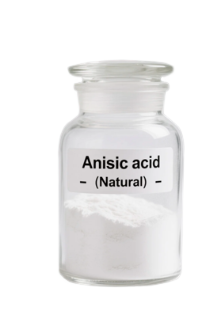

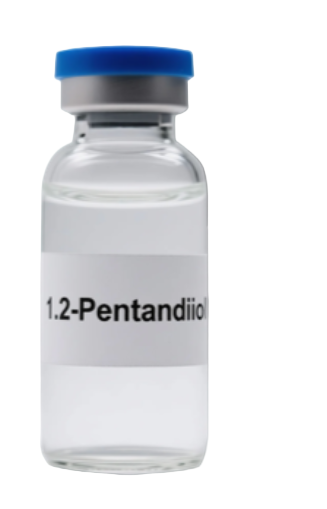
Consumers demand complex, multi-ingredient skincare routines. Mixing active ingredients creates huge challenges for formulators.
Ingredient compatibility dictates a product’s ultimate success. Clashing chemicals can ruin formulas and cause severe irritation.
In this post, you will learn about chemical compatibility. We also cover sourcing reliable cosmetic raw materials.
Why Cosmetic Ingredient Compatibility Matters for Your Brand

As we introduced earlier, mixing active ingredients presents a massive hurdle for formulators. You cannot just throw popular chemicals into a vat and hope they work. Understanding cosmetic ingredient compatibility dictates whether your new serum becomes a bestseller or a costly recall. Let us break down exactly why this matters for your brand’s reputation and bottom line.
Maximizing Product Efficacy
The right combinations create synergistic effects. They deliver visible results to consumers much faster. Think of the “Golden Trio” in skincare. When you combine Vitamin C, Vitamin E, and Ferulic Acid, the ferulic acid actually doubles the photoprotection of the Vitamin C. They simply work better together.
However, you must respect pH thresholds to achieve these results. L-Ascorbic Acid needs a low pH between 2.0 and 3.5 to remain stable. Niacinamide prefers a neutral pH around 5.0 to 7.0. Mixing them improperly can neutralize their benefits. It might even cause a temporary “niacin flush” on the skin. You want ingredients enhancing each other, not canceling each other out.
Preventing Adverse Reactions
Consumers hate immediate physical discomfort following application. Clashing active ingredients often cause severe skin irritation, redness, and barrier damage. For example, pairing high concentrations of Benzoyl Peroxide with raw Retinol increases the risk of severe peeling.
Your customers might confuse a damaged skin barrier with normal acne purging. You must formulate products balancing harsh actives alongside soothing agents. Adding ceramides and fatty acids helps offset this irritation. It keeps the delicate skin barrier intact. Safe, compatible formulations prevent adverse reactions and keep buyers coming back.
Ensuring Long-Term Formulation Stability
You also need to guarantee product integrity over its entire shelf life. Poor pairings lead to formula separation, texture changes, and a rapid loss of potency. Vitamin C is notorious for rapid oxidation. It turns orange or brown when it loses potency.
Other times, incompatible bases cause product pilling. This happens when expensive serums ball up on the skin surface instead of absorbing. You can avoid these texture nightmares by carefully layering water-based, oil-based, and silicone-based components.
Sourcing high-quality materials plays a huge role here. Jiangsu Holly Uwill International Trade Co., Ltd. brings over 30 years of experience providing stable, ISO and FDA-certified ingredients. We offer custom formulation solutions to ensure your final product remains potent. Our natural preservatives and moisturizers help maintain crucial stability from the factory floor to the consumer’s bathroom cabinet.
Here is a quick reference guide highlighting common chemical interactions in cosmetics:
| Ingredient Pairing | Compatibility Status | Formulation Result |
|---|---|---|
| Vitamin C + Ferulic Acid | Highly Synergistic | Boosts antioxidant stability and UV protection. |
| Retinol + Benzoyl Peroxide | Generally Incompatible | High risk of severe irritation and retinoid degradation. |
| AHAs/BHAs + Ceramides | Complementary | Ceramides repair the barrier compromised by exfoliating acids. |
| Copper Peptides + Vitamin C | Incompatible | Chemical reaction deactivates both ingredients. |
The Science of Chemical Compatibility in Cosmetics
We just looked at how specific pairings either boost results or destroy formulas. Now, let us dig deeper into why these reactions happen. Understanding chemical compatibility in cosmetics requires a basic grasp of chemistry. It all comes down to pH levels, solubility, and oxidation risks.
The Crucial Role of pH Levels
As we covered earlier, pH dictates whether an active ingredient survives. Your skin naturally maintains a slightly acidic mantle. Formulations must respect this delicate environment. When you mix highly acidic chemicals with alkaline bases, they neutralize each other. This reaction stops the product from penetrating the skin barrier. It also destroys the active compounds before they reach their target.
Formulators must carefully balance these acidic and alkaline elements. Maintaining the correct pH ensures optimal skin absorption. It also prevents the immediate physical discomfort consumers hate. If a formula strays too far from the ideal pH threshold, it becomes useless or harmful.
Solubility Rules: Bridging Oil and Water
Mastering ingredient compatibility in skincare products means mastering solubility. You likely know oil and water repel each other. This basic rule drives cosmetic formulation. We categorize raw materials as either water-soluble or oil-soluble.
Humectants dissolve in water. Occlusives dissolve in oil. You need emulsifiers to bridge this gap. Emulsifiers bind these opposing elements together. They create a cohesive, smooth formula instead of a separated mess. Without proper emulsification, active ingredients clump together. This separation directly causes the product pilling we discussed in the previous section.
| Ingredient Type | Solubility Base | Common Examples |
|---|---|---|
| Humectants | Water-Soluble | Hyaluronic Acid, Glycerin, Panthenol |
| Occlusives | Oil-Soluble | Petrolatum, Squalane, Plant Oils |
| Emulsifiers | Both (Dual Affinity) | Cetearyl Alcohol, Polysorbates, Stearic Acid |
Oxidation and Degradation Risks
Sensitive actives break down easily. Exposure to air, UV light, or incompatible agents accelerates this process. We already mentioned how unstable Vitamin C quickly oxidizes. Retinol faces similar threats. UV light and strong oxidizing agents easily deactivate these delicate compounds.
You must protect these formulas from environmental stress. Certain chemical reactions, like chelation, can also alter product stability. This happens when minerals bind together unexpectedly. It ruins the texture and efficacy of the final product.
Sourcing reliable raw materials prevents these formulation disasters. Jiangsu Holly Uwill International Trade Co., Ltd. provides robust solutions to combat degradation. We manufacture natural preservatives and high-quality moisturizers. Backed by ISO and FDA certifications, our ingredients ensure long-term cosmetic formulation stability. Starting with stable, ethically sourced materials guarantees your actives survive from the factory to the consumer’s face.
Winning Combinations: Synergistic Skincare Ingredients
We just explored how unstable chemicals degrade and ruin your formulations. Now, let us focus on the positive side of ingredient compatibility in skincare products. When you combine the right elements, they enhance each other. This synergy delivers faster, more visible results for consumers. Let us break down the most effective pairings you can formulate today.
Vitamin C, Vitamin E, and Ferulic Acid
We touched on this “Golden Trio” earlier. It remains the gold standard for antioxidant stability. Vitamin C easily loses potency when exposed to light and air. Adding Vitamin E provides a protective lipid base. Ferulic acid then steps in to stabilize both vitamins. This specific pairing creates a powerhouse serum. It shields the skin from environmental damage and UV exposure far better than any single active could alone.
Hyaluronic Acid and AHAs/BHAs
Exfoliating acids like Glycolic or Salicylic acid strip away dead skin cells. They work incredibly well but often leave the skin vulnerable. You must balance this deep exfoliation with intense hydration. This is where high-quality moisturizers come in.
Pairing AHAs or BHAs with a humectant like Hyaluronic Acid prevents severe dehydration. Hyaluronic acid binds water to the skin surface. It stops Transepidermal Water Loss (TEWL) after acid application. Always advise consumers to apply this humectant to slightly damp skin. This simple step stops the ingredient from drawing moisture out of the deeper skin layers.
Retinol and Niacinamide
Retinol speeds up cell turnover. It takes about 28 days for new skin cells to reach the surface. During this 4 to 6-week adjustment period, consumers often experience temporary purging and irritation. You can mitigate this discomfort by formulating alongside Niacinamide.
Niacinamide functions beautifully with retinoids. It strengthens the delicate skin barrier and reduces inflammation. It actively offsets the harsh side effects of retinol. This pairing delivers potent anti-aging benefits without causing the excessive redness consumers hate.
The Importance of Premium Sourcing
These winning combinations only thrive if you start with stable, pure components. Working with a reliable cosmetic ingredient supplier guarantees this necessary consistency. Poor quality materials will separate or oxidize, regardless of how well you balance the formula.
Jiangsu Holly Uwill International Trade Co., Ltd. brings over 30 years of expertise to your production line. We manufacture premium moisturizers, natural preservatives, and essential base materials. Our ISO and FDA-certified facilities ensure your synergistic combinations remain potent on the shelf. When you need dependable cosmetic raw materials wholesale, we provide the ethical, sustainable solutions required to build industry-leading products.
Here is a quick breakdown of why these synergistic pairings dominate the market:
| Synergistic Pairing | Primary Function | Consumer Benefit |
|---|---|---|
| Vitamin C + E + Ferulic Acid | Antioxidant Stabilization | Maximum UV and environmental protection without rapid product oxidation. |
| AHAs/BHAs + Hyaluronic Acid | Exfoliation & Hydration | Clears pores and removes dead skin while preventing severe TEWL. |
| Retinol + Niacinamide | Cell Turnover & Barrier Repair | Delivers strong anti-aging results while minimizing the 28-day purging phase. |
Formulator’s Warning: Ingredients That Should Never Be Mixed
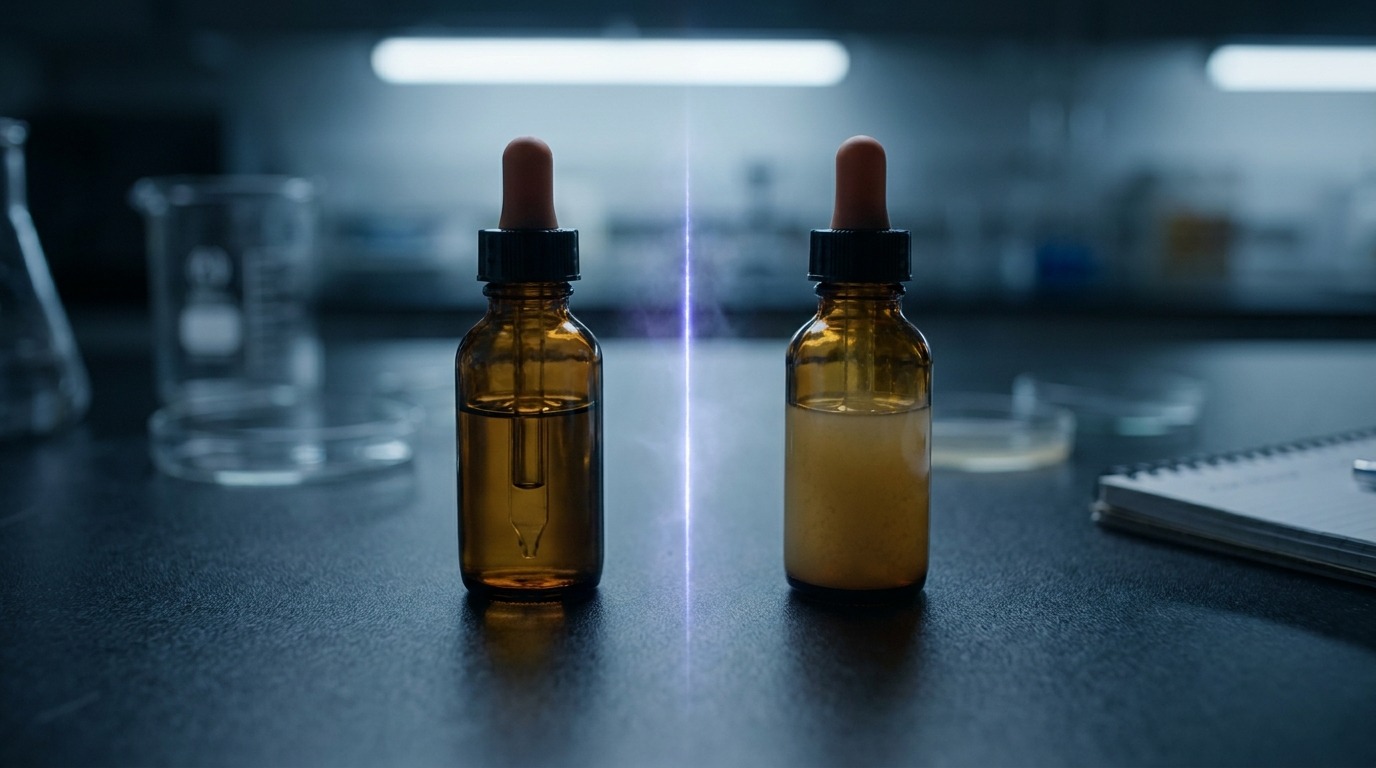
We just explored how synergistic pairings elevate your product line. However, the wrong combinations will ruin your formula instantly. Mastering ingredient compatibility in skincare products means knowing exactly what to avoid. Mixing incompatible chemicals leads to severe adverse reactions and total product deactivation. Let us examine the specific ingredient pairings you must avoid at all costs.
Retinol and Vitamin C: A Clash of pH Environments
We already covered how L-Ascorbic Acid requires a highly acidic environment. It needs a pH between 2.0 and 3.5 to remain stable. Retinol, on the other hand, formulates best at a much higher, neutral pH. When you mix them in a single formula, they alter each other’s optimal environments.
This pH clash rapidly deactivates both ingredients. It also significantly increases the risk of severe skin irritation and barrier damage. If consumers want both benefits, advise them to split their routine. They should use Vitamin C in the morning for antioxidant protection. They can then safely apply retinoids at night to aid cellular repair.
Benzoyl Peroxide and Retinol: Canceling Each Other Out
Acne treatments often rely on Benzoyl Peroxide. It works incredibly well at concentrations between 2.5% and 10%. However, it acts as a very strong oxidizing agent. If you pair it with traditional, unencapsulated retinol, disaster strikes.
The rapid oxidation immediately degrades the highly unstable retinoid molecule. They literally cancel each other out. Furthermore, applying both simultaneously causes extreme dryness and peeling. Unless you use a specialized encapsulated delivery system, keep these two powerful actives far apart.
Copper Peptides and Direct Acids (AHAs/BHAs)
Copper peptides offer fantastic skin-renewing benefits. They are also highly reactive. You must keep them away from direct acids like AHAs and BHAs. Exfoliating acids create a low-pH environment on the skin.
When introduced to this acidity, delicate peptide bonds break down. This chemical reaction completely deactivates the peptides. It renders your expensive formula utterly useless. Avoiding these formulation disasters requires precise chemical knowledge and high-quality bases.
Working with an experienced skincare raw materials manufacturer ensures your active ingredients remain safe and stable. Jiangsu Holly Uwill International Trade Co., Ltd. provides the pure, reliable components you need. Backed by over 30 years of experience, our FDA and ISO-certified facilities produce premium moisturizers and natural preservatives. These reliable bases help you build effective products without unexpected chemical clashes.
Here is a quick reference guide for ingredients that should never mix:
| Incompatible Pairing | Chemical Conflict | Result on Skin or Formula |
|---|---|---|
| Retinol + Vitamin C | Drastic pH environment differences. | Deactivates both actives; causes severe redness and stinging. |
| Benzoyl Peroxide + Retinol | Oxidation degrades delicate retinoids. | Cancels product efficacy; high risk of extreme peeling. |
| Copper Peptides + AHAs/BHAs | Low pH breaks down peptide bonds. | Destroys peptide structure; wastes expensive ingredients. |
Achieving Superior Cosmetic Formulation Stability
We just looked at how disastrous incompatible pairings like Copper Peptides and direct acids easily ruin a product. Avoiding these chemical clashes is only the first step. Once you finalize a safe formula, you must keep it intact. Ingredient compatibility in skincare products relies heavily on long-term structural integrity. You need your product to survive the journey from the laboratory vat to the retail shelf. Let us explore how premium bases, natural preservatives, and rigorous testing guarantee this stability.
Building Structural Integrity with Premium Bases
A stable formula always starts with high-quality base materials. We covered how emulsifiers bridge water-soluble humectants and oil-soluble occlusives earlier. If you use cheap or impure bases, this delicate bridge collapses. The formula separates over time. Active ingredients clump together, causing the exact product pilling consumers hate.
You need dependable components to prevent this separation. Jiangsu Holly Uwill International Trade Co., Ltd. brings over 30 years of experience to your production line. We manufacture premium moisturizers and essential raw materials for global personal care brands. Backed by ISO and FDA certifications, our ethical and sustainable ingredients ensure your formulas remain structurally sound. High-quality bases keep your active ingredients evenly distributed from the first pump to the last.
Utilizing Natural Preservatives Safely
Every cosmetic product containing water needs preservation. Without it, dangerous bacteria and mold quickly grow. However, traditional harsh preservatives often disrupt the delicate balance of your active ingredients. They might alter the pH or trigger unwanted chemical reactions. This ruins your careful formulation work.
Formulators now turn to natural preservatives to solve this problem. These alternatives protect formulations against microbial growth without deactivating sensitive compounds. They maintain the necessary acidic or neutral pH thresholds we discussed earlier. Jiangsu Holly Uwill specializes in manufacturing these high-quality natural preservatives. We provide custom formulation solutions to keep your products safe. They prevent contamination without compromising the efficacy of delicate actives like Vitamin C or Retinol.
Implementing Rigorous Stress Testing Protocols
You cannot just assume a product will remain stable. You must prove it through stress testing. This process evaluates formulations under extreme conditions before they ever reach the market. It guarantees safety and efficacy over a typical 4 to 6-week consumer usage period and far beyond.
Testing exposes hidden compatibility issues. A formula might look perfect on day one but separate after a month. Rigorous protocols push your product to its absolute limits. We evaluate how the chemical components react to intense heat, freezing cold, and prolonged UV exposure.
Here is a breakdown of essential stress testing protocols used to verify formulation stability:
| Test Protocol | Testing Method | Impact on Ingredient Compatibility |
|---|---|---|
| Thermal Cycling | Exposing formulas to alternating high heat and freezing temperatures. | Ensures emulsifiers hold oil and water together without structural separation. |
| Photostability Testing | Blasting products with intense, prolonged UV light. | Verifies sensitive actives like Retinol do not degrade or oxidize prematurely. |
| Accelerated Aging | Storing products at elevated temperatures to simulate months of shelf life. | Confirms pH levels remain stable and ingredients do not slowly deactivate each other. |
Sourcing from a Trusted Skincare Raw Materials Manufacturer
We just saw how rigorous stress testing proves your formulation stability. But even the best testing protocols cannot fix poor-quality ingredients. To ensure true ingredient compatibility in skincare products, you must start at the source. The raw materials you choose dictate how well your final product performs. Let us look at why partnering with a proven supplier secures your brand’s reputation and bottom line.
The Value of an Experienced Industry Leader
Partnering with an experienced skincare raw materials manufacturer removes the guesswork from formulation. Jiangsu Holly Uwill International Trade Co., Ltd. brings over 30 years of expertise to your supply chain. We understand exactly how different chemical components interact. This deep industry knowledge prevents the costly formulation disasters we discussed earlier.
You need a partner who anticipates chemical clashes before they happen. Our team provides high-quality ingredients for cosmetics, food, pharmaceuticals, and household products. We leverage decades of hands-on manufacturing experience. This ensures your active ingredients remain potent and stable from the initial mix to the final application.
Securing Sustainable and Ethical Ingredients
Modern consumers demand total transparency. They want highly effective serums. They also want ethical sourcing. We specialize in manufacturing sustainable raw materials that meet these high expectations. Our extensive portfolio includes natural preservatives, premium moisturizers, and flavor enhancers.
We covered how natural preservatives maintain delicate pH balances in the previous section. Sourcing these specific components ethically keeps your brand reputation intact. You deliver safe, potent products while meeting modern sustainability standards. Using our premium moisturizers ensures your humectants and occlusives blend perfectly without separating.
Strict Quality Assurance for Wholesale Purchases
Quality assurance ultimately dictates product success. Inconsistent batches ruin ingredient compatibility in skincare products. A single impure batch can alter a formula’s pH. This leads to the rapid oxidation and ingredient deactivation we want to avoid.
We operate state-of-the-art facilities to prevent these inconsistencies. Strict ISO and FDA certifications back every single ingredient we produce. When you secure your cosmetic raw materials wholesale through us, you guarantee both safety and efficacy. Absolute consistency from the factory floor directly translates to long-term stability on the retail shelf.
Here is a breakdown of how our sourcing standards directly protect your cosmetic formulations:
| Sourcing Standard | Holly Uwill Assurance | Impact on Ingredient Compatibility |
|---|---|---|
| Purity and Consistency | State-of-the-art manufacturing facilities. | Prevents unexpected pH shifts and chemical reactions between batches. |
| Regulatory Compliance | Strict ISO and FDA certifications. | Guarantees raw materials are safe to mix with highly reactive actives. |
| Ethical Production | Sustainable natural preservatives and moisturizers. | Maintains formula stability without relying on harsh, disruptive chemicals. |
Leveraging Custom Formulation Solutions for Global Brands
We just covered how strict sourcing standards prevent unexpected chemical reactions. Securing pure ingredients is only part of the equation. You also need to blend them perfectly. This is where dedicated R&D support changes the game. Let us explore how tailored solutions help you overcome specific ingredient compatibility challenges.
Overcoming Unique Compatibility Challenges
Every brand faces different formulation hurdles. You might want to combine tricky actives like Retinol and Niacinamide. As we covered earlier, balancing their specific pH environments requires intense precision. You cannot rely on generic formulas to solve these complex chemical puzzles. You need state-of-the-art R&D support to prevent product degradation.
Jiangsu Holly Uwill International Trade Co., Ltd. provides exactly this level of expertise. We leverage over 30 years of experience to solve your toughest formulation issues. Our advanced facilities test every chemical interaction. We ensure your humectants and occlusives blend seamlessly without separating. This dedicated support stops ingredient deactivation before it ever reaches the production line.
Tailoring Products for Market Appeal
Modern consumers want highly specific results. They demand safe, effective, and ethically sourced products. You must tailor your formulas to meet these exact requirements. A one-size-fits-all approach simply fails in today’s competitive personal care market.
Mastering ingredient compatibility in skincare products means balancing safety with performance. You might need a vegan barrier repair cream. Perhaps you want a potent anti-aging serum using natural preservatives. We customize these exact solutions for global brands. We adjust the pH, solubility, and texture to match your specific vision. This ensures consumer safety while driving strong market appeal.
Streamlining Your Global Supply Chain
Managing multiple suppliers creates unnecessary risks. It often leads to inconsistent batches and ruined formulas. You can avoid these texture nightmares by streamlining your supply chain. Working with a single, experienced partner simplifies everything from the lab to the shelf.
We guide you from expert raw material selection straight through to final product stability. You get everything you need under one roof. We supply premium moisturizers, natural preservatives, and flavor enhancers. Our ISO and FDA-certified facilities serve personal care and cosmetic brands worldwide. This comprehensive approach guarantees your active ingredients remain potent and stable.
Here is how custom formulation support directly solves common compatibility challenges:
| Brand Requirement | Compatibility Challenge | Tailored R&D Solution |
|---|---|---|
| Clean Beauty Anti-Aging Serum | Traditional preservatives disrupt sensitive active ingredients. | Integrating stable natural preservatives to maintain the required pH. |
| High-Potency Hydration Cream | Water and oil bases separate over time, causing pilling. | Customizing emulsifiers to perfectly bind premium moisturizers. |
| Multi-Active Acne Treatment | Harsh actives cause extreme redness and barrier damage. | Balancing aggressive chemicals with soothing agents for consumer safety. |
Conclusion
Ingredient compatibility in skincare products ensures high efficacy and complete consumer safety for your brand.
Mastering chemical interactions is vital for prioritizing long-term formulation stability.
Elevate your product lines with Jiangsu Holly Uwill International Trade Co., Ltd.
We supply 30 years of certified expertise for your raw materials.
- Audit your current skincare formula blends.
- Test pH levels during early development.
- Request a custom raw material sample.
Frequently Asked Questions About Ingredient Compatibility in Skincare Products
Can I use Vitamin C and Niacinamide together?
Yes, you can use these two powerful ingredients together. Modern skincare formulations make this combination very safe. Older myths suggested they might cancel each other out. They also warned about a temporary skin flush. However, stabilized Vitamin C derivatives work well with Niacinamide. They provide great brightening results without causing irritation.
Why do my skincare serums pill and roll off?
Pilling happens when products ball up on your skin. This usually occurs if you apply them incorrectly. You must apply water-based serums before thick oils. If you put water over oil, it cannot absorb. Waiting a few minutes between layers also helps. Using high-quality moisturizers can improve overall product absorption.
How long should I wait between applying different actives?
You should wait about 15 to 30 minutes. This pause is vital for pH-dependent ingredients like Vitamin C. It prevents your products from neutralizing each other. If you rush, you might reduce their overall effectiveness. Giving each layer time to dry ensures better results. It also helps prevent unwanted skin irritation.
Is it safe to use Retinol and AHAs together?
It is best to separate these two strong actives. You should use Vitamin C or AHAs in the morning. Then, apply your Retinol products during your nighttime routine. Combining them at once can damage your skin barrier. It often leads to severe redness and stinging. The sandwich method can also help reduce Retinol irritation.
How do brands ensure their skincare ingredients remain stable?
Brands rely on trusted suppliers for high-quality chemical ingredients. Jiangsu Holly Uwill International Trade Co., Ltd. provides excellent solutions. They have over 30 years of global industry experience. They supply stable moisturizers and natural preservatives for cosmetics. Their ISO and FDA certifications guarantee safe and ethical formulations. This ensures your skincare products work perfectly every time.
Understanding ingredient compatibility is crucial for a healthy skin barrier. Mixing the wrong active ingredients can cause severe irritation. Applying products in the correct order maximizes their benefits. Always layer from thinnest to thickest consistencies. Wait a few minutes between applying different pH-dependent serums. Trusted suppliers like Jiangsu Holly Uwill ensure formula stability. Proper knowledge helps you avoid purging and product pilling.
- Test new active ingredient combinations on your inner forearm.
- Apply hyaluronic acid strictly to damp skin for hydration.
- Schedule your chemical exfoliants for the morning routine.
- Reserve your strong retinoid creams for nighttime use only.
 Spanish
 English
 Russian
 Japanese
 Korean
 Arabic