
.png)
.png)
Over 60 percent of adults experience highly reactive skin.
Creating products for a compromised barrier requires gentle raw materials to guarantee brand reputation and safety.
In this post, we will explore the best cosmetic ingredients for sensitive skin formulations.
Understanding the Challenges of Sensitive Skin Formulations
Building on the reality of highly reactive skin, formulating for these consumers presents unique hurdles. A compromised skin barrier often experiences high Transepidermal Water Loss (TEWL). Healthy skin maintains an acidic surface pH between 4.7 and 5.75. When products disrupt this acid mantle, the cellular structure weakens. Irritants penetrate easily, and visible redness quickly follows.
Environmental stressors and chemical triggers constantly challenge this delicate balance. Denatured alcohol and synthetic fragrances strip away natural lipids. Even natural essential oils contain volatile compounds like limonene. They often cause allergic contact dermatitis in compromised profiles.
Balancing Efficacy and Gentleness
Formulators face a tough job today. You must deliver visible results while avoiding painful flare-ups. Choosing the right cosmetic ingredients for sensitive skin formulations requires strict discipline. Modern cosmetic chemistry leans heavily on the “less is more” rule. Keeping formulas under 20 ingredients significantly reduces reaction risks.
We must swap harsh traditional chemicals for skin-friendly alternatives. High molecular weight ingredients sit safely on the skin surface. They hydrate effectively and avoid penetrating deep enough to cause stinging.
| Traditional Ingredient (Avoid) | Gentle Alternative (Use) | Primary Benefit for Reactive Skin |
|---|---|---|
| Sodium Lauryl Sulfate (SLS) | Isethionates & Glucosides | Cleanses thoroughly without stripping natural barrier lipids. |
| Glycolic Acid (AHA) | Gluconolactone (PHA) | Larger molecules exfoliate slowly and prevent burning sensations. |
| Synthetic Fragrances | Centella Asiatica (Cica) | Calms existing redness while avoiding common allergic triggers. |
| Traditional Preservatives | Ethylhexylglycerin Boosters | Reduces reliance on harsh stabilizing chemicals for safety. |
Partnering for Purity and Consistency
Sourcing these gentle alternatives requires extreme care. Raw material consistency matters just as much as the initial formula. A sudden change in purity easily turns safe products into severe irritants. This makes your choice of manufacturing partners absolutely critical.
Choosing a reliable gentle cosmetic ingredients supplier ensures batch-to-batch consistency. Jiangsu Holly Uwill International Trade Co., Ltd. brings over 30 years of expertise here. We manufacture high-quality raw materials tailored specifically for sensitive profiles. Our state-of-the-art facilities hold strict ISO and FDA certifications. We guarantee the absolute purity your brand needs. Ethical sourcing builds consumer trust and securely protects your reputation.
Essential Non-Irritating Cosmetic Ingredients for Your Formulations
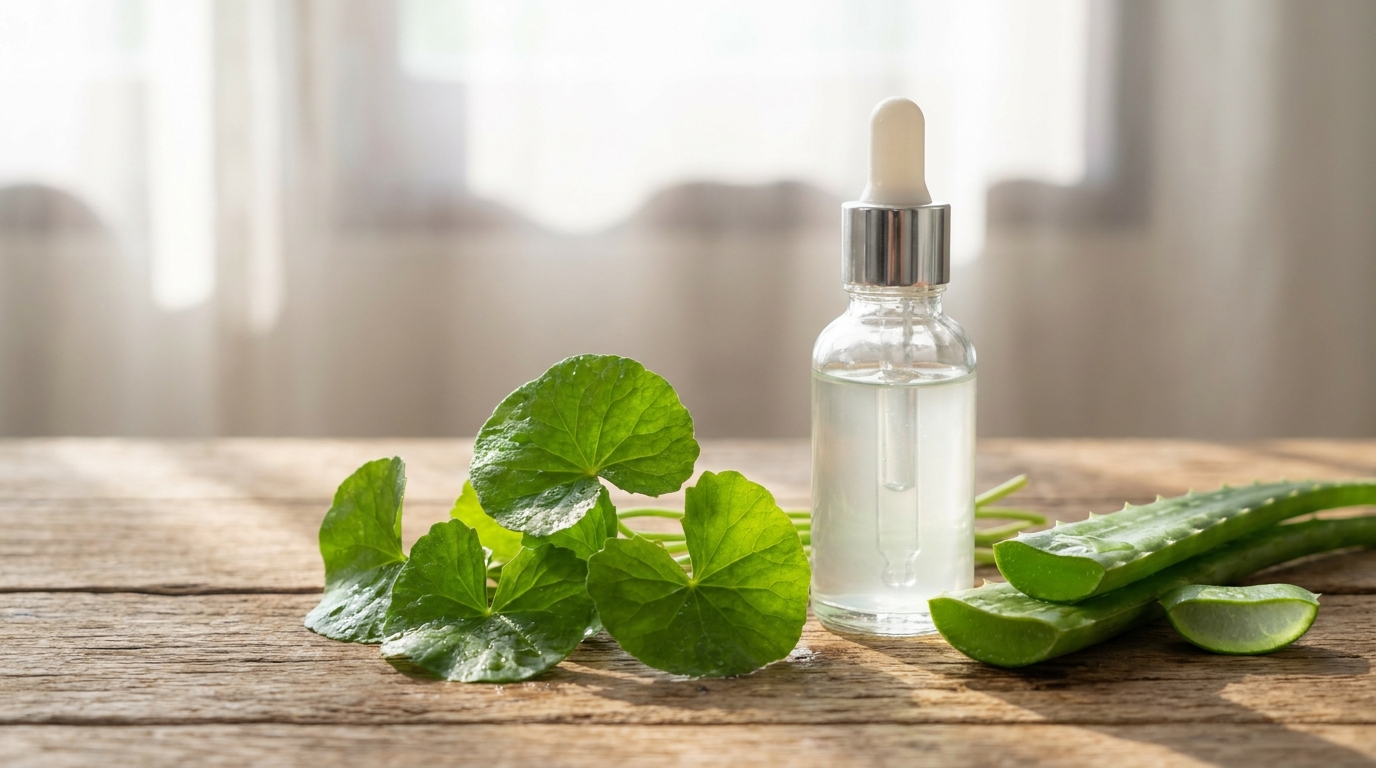
Securing a reliable manufacturing partner is just the first step. You must also select the right active compounds to build a safe product. As we covered earlier, keeping your ingredient list short minimizes the risk of flare-ups. You need high-performing components that deliver maximum benefits without disrupting the acid mantle. Let us explore the core non-irritating cosmetic ingredients you should prioritize.
Hydrators and Barrier-Repairing Lipids
A compromised barrier suffers from high water loss. You must replenish this moisture carefully. Hydrators pull water into the skin, while lipids seal it securely inside. Glycerin remains a cost-effective and highly stable humectant. It rarely triggers allergic reactions in compromised profiles. High molecular weight hyaluronic acid offers another excellent option. It forms an elegant film on the skin surface. This prevents the deep penetration that often causes burning or stinging.
You should also incorporate skin-identical lipids. Ceramides (specifically NP, AP, and EOP) act as the mortar between your skin cells. They rebuild the protective layer effectively. Panthenol, or Pro-vitamin B5, works beautifully at 1 to 5 percent concentrations to soothe dry patches.
Botanical Soothing Agents
Reactive skin often presents visible redness and itching. Natural botanical extracts actively reduce this inflammation. Allantoin provides exceptional calming benefits even at very low concentrations. Bisabolol, derived from chamomile, offers similar anti-inflammatory properties at the same dosage.
Aloe vera delivers immediate cooling relief to irritated tissues. We also see great success with Centella Asiatica, commonly known as Cica. It targets wind-burned or post-procedure skin effectively. These botanical soothing agents replace harsh synthetic chemicals while delivering superior calming results.
| Ingredient Category | Specific Ingredient | Optimal Concentration | Primary Function for Sensitivity |
|---|---|---|---|
| Humectant | Panthenol (Pro-vitamin B5) | 1–5% | Soothes dry patches and binds moisture to the surface. |
| Soothing Agent | Allantoin | 0.1–0.5% | Calms visible redness and active irritation quickly. |
| Soothing Agent | Bisabolol | 0.1–0.5% | Provides natural anti-inflammatory benefits without stinging. |
| Barrier Lipid | Ceramides (NP, AP, EOP) | Varies by formula | Rebuilds the protective cellular layer to block irritants. |
Achieving True Formulation Synergy
Combining these humectants and botanicals requires precise chemistry. You cannot simply mix them together and expect a stable product. This is where formulation synergy becomes crucial. Working directly with a proven sensitive skin ingredients manufacturer helps you customize these profiles.
Jiangsu Holly Uwill provides tailored formulation solutions to ensure your actives perform optimally. We supply premium moisturizers and natural preservatives designed specifically for delicate profiles. Our ISO and FDA-certified facilities guarantee that every batch meets strict purity standards. We help you balance efficacy with gentleness perfectly to protect your brand reputation.
Rethinking Preservation: Natural Preservative for Sensitive Skin
We just discussed balancing efficacy with gentleness using targeted botanicals and lipids. However, even the best formula fails if its preservation system triggers a reaction. Traditional synthetic preservatives often cause severe contact dermatitis. You must protect the product from bacteria without disrupting the delicate acid mantle. This challenge drives a massive industry shift toward gentler alternatives.
The Trouble with Traditional Preservation
Consumers with a compromised barrier react poorly to harsh chemicals. Traditional options like parabens and formaldehyde releasers frequently induce allergic contact dermatitis. Regulatory bodies also restrict ingredients like phenoxyethanol to under one percent globally. Formulators now seek a reliable natural preservative for sensitive skin. This shift maintains broad-spectrum antimicrobial protection safely. It also prevents the painful stinging associated with older synthetic stabilizers.
Sodium Anisate: Antimicrobial and Soothing
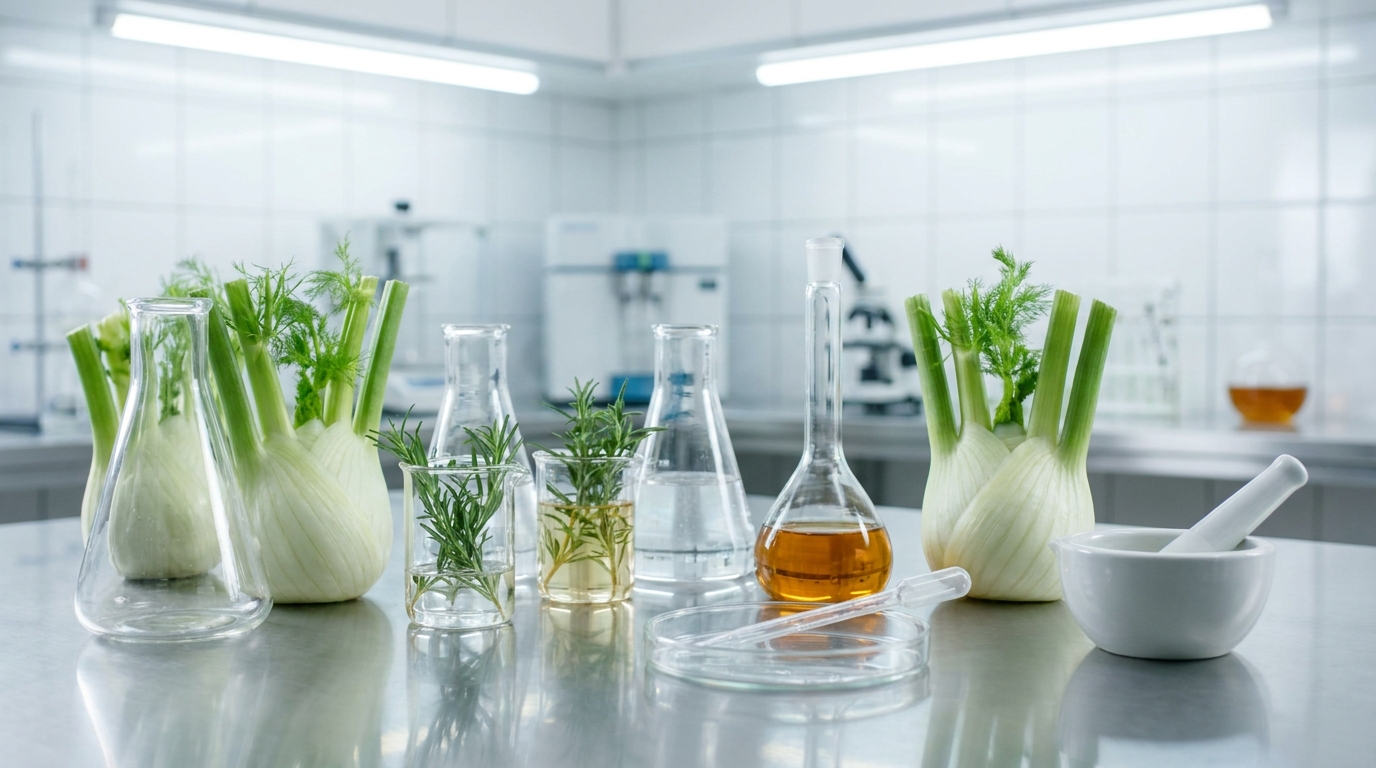
Sodium anisate offers an excellent solution for highly reactive profiles. Derived naturally from fennel, it provides strong fungicidal properties. It also functions as a gentle skin-conditioning agent. Formulators love using sodium anisate sensitive skin applications because it respects the natural surface pH of 5.5. It works beautifully alongside botanical extracts like Centella Asiatica. It actively calms the skin while keeping the formula safe from microbial growth.
Sodium Levulinate: Natural Conditioning
Sodium levulinate serves as another powerful, fully natural alternative. We extract it from starch, and it acts as an outstanding antimicrobial agent. Unlike traditional preservatives, it conditions the skin rather than stripping it. Partnering with a certified sodium levulinate supplier ensures you receive pure, unadulterated raw materials. Purchasing hypoallergenic raw materials wholesale from a trusted source guarantees batch consistency.
Jiangsu Holly Uwill International Trade Co., Ltd. manufactures these natural preservatives in our state-of-the-art facilities. With over 30 years of industry experience, our ISO and FDA-certified operations guarantee absolute purity. We help global cosmetic brands secure the ethical, customized formulation solutions they need.
| Preservative Type | Common Examples | Impact on Reactive Skin |
|---|---|---|
| Traditional Synthetic | Parabens, Formaldehyde Releasers | High risk of allergic contact dermatitis and stinging. |
| Natural Antimicrobial | Sodium Anisate | Provides fungicidal protection while soothing redness. |
| Natural Conditioning | Sodium Levulinate | Inhibits bacterial growth and actively conditions the barrier. |
Common Ingredients to Strictly Avoid in Sensitive Skin Cosmetics
We just explored how natural preservation protects your formula and the skin. Selecting safe components is only half the formulation battle. You must also know exactly what to leave out. Creating effective cosmetic ingredients for sensitive skin formulations requires strict exclusion rules. Let us examine the worst offenders you need to drop.
Artificial Fragrances and Synthetic Dyes
Artificial fragrances rank as the top allergens in personal care. They consistently cause severe adverse reactions. Synthetic dyes present very similar irritation risks. Many consumers confuse unscented and fragrance-free labels. Unscented products often contain hidden masking fragrances. These hidden chemicals easily trigger erythema and pruritus. You must eliminate all artificial scents to protect compromised barriers.
Harsh Surfactants and Lipid Barrier Damage
Cleansing chemistry dictates the health of the acid mantle. Harsh surfactants strip the natural lipid barrier completely. Sodium Lauryl Sulfate (SLS) and Sodium Laureth Sulfate (SLES) act too aggressively. They wash away essential moisture and exacerbate extreme dryness. This creates microscopic tears across the protective surface. As we covered earlier, a weakened structure allows irritants to penetrate deeply. You must drop traditional sulfates to prevent painful flare-ups.
Volatile Alcohols and Essential Oils
Volatile alcohols give creams a fast-drying finish. Brands often use denatured alcohol for this exact reason. However, it severely dehydrates reactive profiles. It triggers immediate redness upon application. Essential oils present another major formulation trap. Formulators often use them to replace synthetic fragrances. This creates high natural allergen profiles. Volatile botanical compounds like limonene and linalool frequently cause allergic contact dermatitis.
| Ingredient Category | Common Label Names | Primary Reason to Avoid |
|---|---|---|
| Artificial Fragrances | Parfum, Fragrance | Ranks as the top cosmetic allergen causing severe reactions. |
| Harsh Surfactants | SLS, SLES | Strips natural lipids and heavily exacerbates surface dryness. |
| Volatile Alcohols | Alcohol Denat, SD Alcohol | Dehydrates tissues and triggers immediate stinging or redness. |
| Essential Oils | Limonene, Linalool, Citrus Oils | Contains high natural allergen profiles triggering contact dermatitis. |
Avoiding these triggers demands pure alternative options. Sourcing hypoallergenic raw materials wholesale guarantees your production remains consistent. Jiangsu Holly Uwill International Trade Co., Ltd. supports this exact mission. We bring over 30 years of experience to the personal care industry. Our state-of-the-art facilities manufacture high-quality, safe chemical ingredients. Backed by strict ISO and FDA certifications, we deliver sustainable formulation solutions for global cosmetic brands. We help you build trusted product lines safely.
Sourcing Hypoallergenic Raw Materials Wholesale for Global Brands
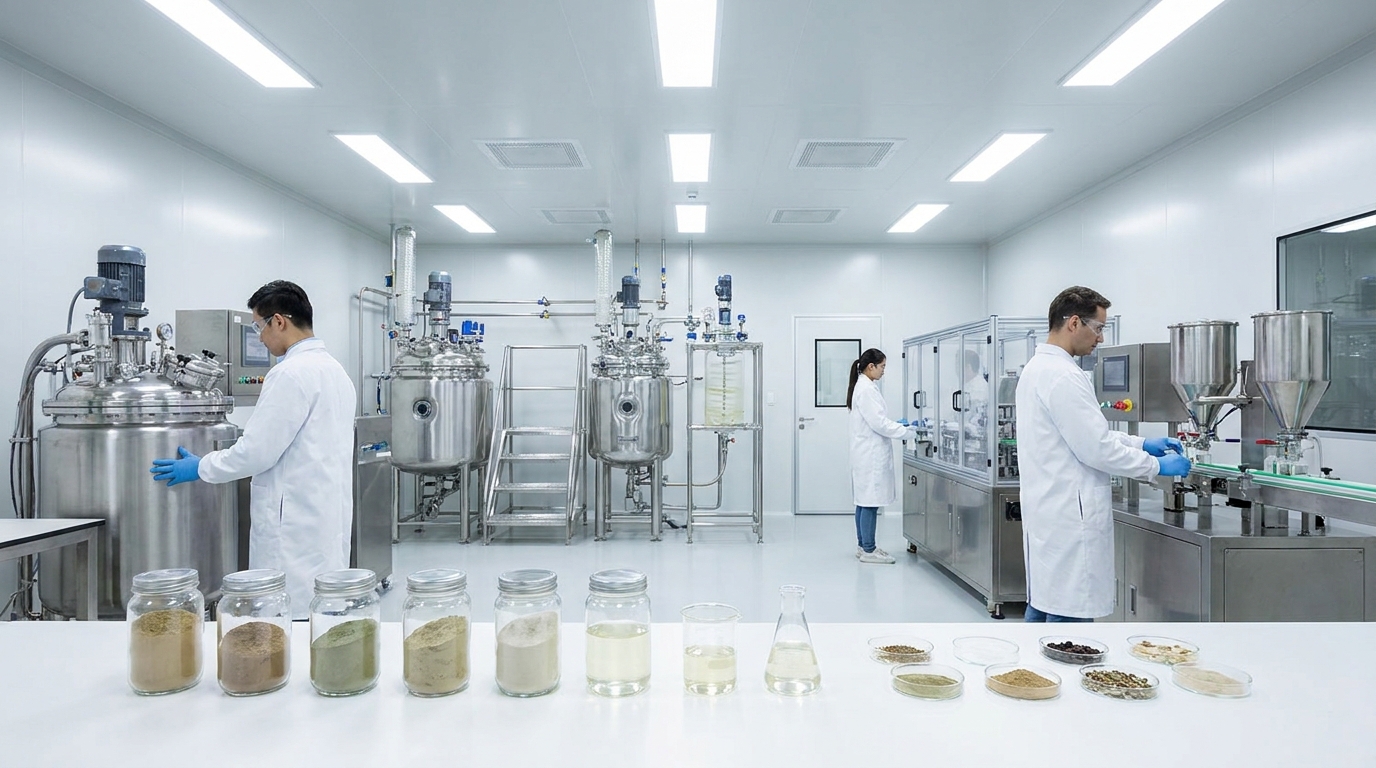
We just covered the critical ingredients you must exclude to protect compromised barriers. Dropping these harsh chemicals remains absolutely essential. However, replacing them demands pure and safe alternatives. This requires a highly trustworthy supply chain. Finding the right manufacturing partner makes or breaks your product line. You need consistent quality to prevent accidental flare-ups. Let us explore how to source these gentle components effectively.
Key Criteria for Selecting a Manufacturing Partner
Sourcing cosmetic ingredients for sensitive skin formulations demands strict quality control. A sudden drop in purity often introduces trace allergens. This quickly turns a safe cream into a severe irritant. You must verify your supplier holds recognized industry credentials. ISO and FDA certifications stand as non-negotiable requirements here. They guarantee the facility follows rigorous safety and testing protocols. These credentials ensure every batch meets exact specifications. This consistency protects your brand reputation and keeps consumers safe.
| Supplier Criterion | Business Benefit | Impact on Reactive Skin |
|---|---|---|
| ISO & FDA Certifications | Guarantees strict global regulatory compliance. | Prevents trace allergens through pure manufacturing. |
| Transparent Sourcing | Builds strong consumer brand trust. | Eliminates hidden masking scents or harsh residues. |
| Customized Formulation | Differentiates your unique product line. | Balances active efficacy alongside extreme gentleness. |
Maintaining Sustainable and Transparent Supply Chains
Modern consumers demand more than just safe products today. They expect ethical sourcing behind every single bottle. You must procure materials through highly sustainable channels. A reliable partner offers complete visibility into their manufacturing process. This transparency helps you trace ingredients back to their origins. It guarantees no unwanted chemical residues enter your formula. Building a sustainable supply chain supports long-term brand growth. It aligns your products perfectly alongside eco-conscious consumer values.
Leveraging 30 Years of Formulation Expertise
Securing a capable partner takes significant time and research. Jiangsu Holly Uwill International Trade Co., Ltd. simplifies this process completely. We bring over 30 years of experience to multiple global industries. We supply high-quality chemical ingredients for cosmetics, food, pharmaceuticals, and household products. Our state-of-the-art facilities produce the raw materials you can trust.
We hold strict ISO and FDA certifications to guarantee absolute purity. We specialize in manufacturing premium natural preservatives, deep moisturizers, and safe flavor enhancers. Our expert team provides customized formulation solutions tailored to your specific needs. Our partnership keeps your supply chain ethical and sustainable. We deliver the precise components necessary to build successful, irritation-free product lines.
Conclusion
Choosing cosmetic ingredients for sensitive skin formulations protects and repairs the barrier. Natural alternatives like sodium levulinate and sodium anisate provide immense value. Partner with Jiangsu Holly Uwill for safe, certified, and sustainable manufacturing.
- Audit your current product lines for hidden irritants.
- Request natural preservative samples for your next batch.
- Contact our experts to customize your hypoallergenic formulas.
Frequently Asked Questions About Cosmetic Ingredients for Sensitive Skin Formulations
Why do products for sensitive skin sometimes still burn?
Products labeled for sensitive skin might still cause a stinging feeling. This often happens if your skin barrier is deeply compromised. Some formulas contain hidden irritants like certain plant extracts. Acquired sensitivity from over-exfoliation also makes normal ingredients feel harsh. Always check the ingredient list carefully before applying anything. A patch test is the best way to prevent sudden burning reactions.
What are the best moisturizers for a compromised skin barrier?
The best moisturizers use skin-identical ingredients to repair your barrier. You should look for ceramides, squalane, and fatty acids. These ingredients mimic your natural sebum layer perfectly. Humectants like glycerin and hyaluronic acid also draw in needed water. Jiangsu Holly Uwill provides excellent, high-quality moisturizers for delicate formulations. Their sustainable ingredients help soothe redness and stop water loss.
Are preservative-free cosmetics better for sensitive skin?
Preservative-free products are not always the safest choice for you. Bacteria can easily grow in unpreserved formulas over time. This harmful bacteria can cause severe infections on compromised skin. Instead of avoiding them, seek out gentle or natural preservatives. Jiangsu Holly Uwill manufactures top-tier natural preservatives for safer cosmetic products. These ethical solutions keep products clean without triggering allergic breakouts.
Can I use exfoliating acids if my skin is highly reactive?
You can still exfoliate, but you must choose the right acids. Avoid strong chemical exfoliants like high-strength glycolic acid. These low molecular weight acids penetrate deeply and cause fast irritation. Instead, try using gentle PHAs like gluconolactone for sensitive skin. PHAs have a larger molecular size for much slower penetration. This gives you smooth skin without the painful redness.
Is natural fragrance safer than synthetic fragrance for sensitive skin?
Natural fragrances are not automatically safer for sensitive skin types. Essential oils contain compounds like limonene that often trigger allergies. Both natural and synthetic fragrances can easily cause contact dermatitis. The best approach is to choose completely fragrance-free skincare products. Remember that unscented products might still contain irritating masking scents. Always read the label to ensure no hidden fragrances exist.
Formulating for sensitive skin requires a careful balance of gentle ingredients. You must maintain a healthy skin pH of around 5.5. Keep ingredient lists short to reduce the chance of allergic reactions. Choose high-quality humectants, skin-identical lipids, and safe natural preservatives. Avoid harsh surfactants, strong acids, and irritating fragrances. By selecting ethical raw materials, you can create soothing products that truly protect the skin barrier.
- Conduct a 48-hour patch test before applying any new formula.
- Package your sensitive skin creams in airless pumps to prevent oxidation.
- Swap out harsh sulfates for gentle, sulfate-free cleansing agents.
- Partner with a certified supplier to source high-quality natural preservatives.
 English
  Russian
  Spanish
  Japanese
  Korean
  Arabic