
.png)
Ever seen a cream separate into a greasy mess? Formulation stability is critical for commercial success.
Choosing the right components prevents ugly discoloration and spoilage. It keeps beauty products safe and effective.
In this post, you will learn how to choose cosmetic ingredients for stable formulations.
Understanding Formulation Stability in Cosmetics
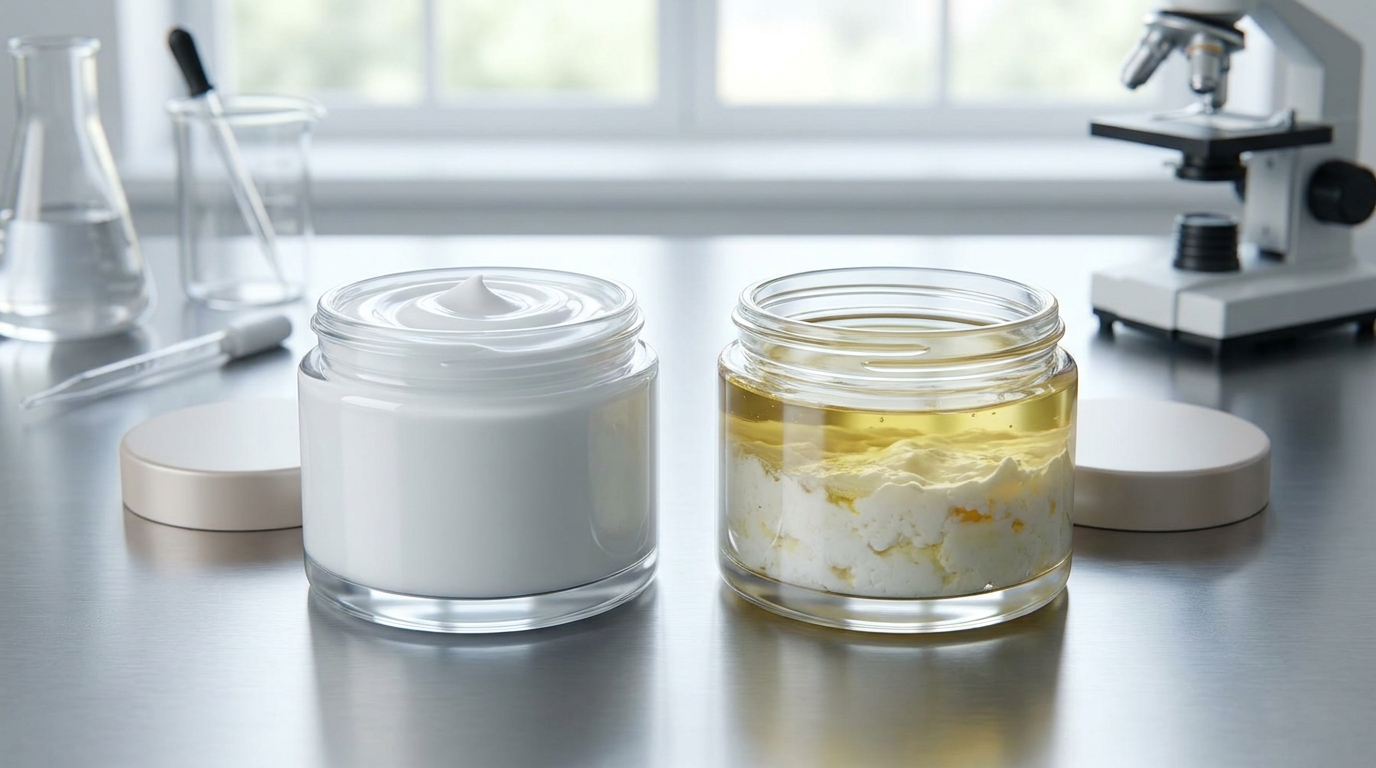
A stable cosmetic formulation retains its physical, chemical, and microbiological properties over time. It looks, feels, and performs exactly the same from the lab to the consumer’s bathroom shelf. This consistency forms the backbone of any successful beauty brand.
When you mix water, oils, and active compounds, they naturally want to separate or react. You must force them to cooperate. We break formulation stability down into three main pillars.
The Three Pillars of Stability
You cannot achieve a perfect product without balancing these three areas. If one fails, the entire formula fails.
| Stability Type | What It Means | Common Signs of Failure |
|---|---|---|
| Physical | Maintains texture, structure, and appearance. | Creaming, sedimentation, syneresis (weeping), or graininess from recrystallized waxes. |
| المواد الكيميائية | Protects ingredients from degradation and pH shifts. | Color changes (like Vitamin C oxidizing), foul odors, or loss of active ingredient efficacy. |
| Microbiological | Prevents bacterial, yeast, and fungal growth. | Mold spots, gas production, or sudden viscosity changes. |
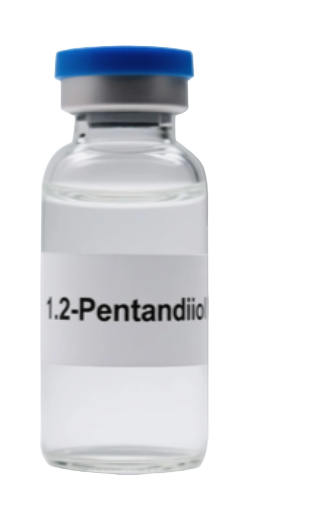
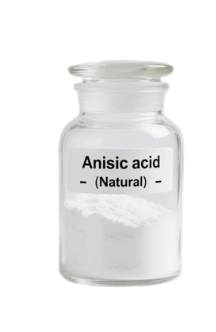
Microbiological control is especially critical. At Jiangsu Holly Uwill International Trade Co., Ltd., we leverage over 30 years of experience manufacturing natural preservatives and moisturizers. Our ISO and FDA-approved facilities ensure these raw materials meet strict safety standards. You need reliable preservatives to pass Preservative Efficacy Testing (PET) and keep your customers safe.
How Instability Harms Your Brand
Ignoring these pillars causes severe problems for your business. Unstable products lead to the following issues:
- Reduced Shelf Life: Accelerated degradation means products expire long before their stated date. Accelerated stability testing, such as 12 weeks at 40°C, helps you predict and prevent this.
- Consumer Safety Risks: Microbial growth or severe pH shifts can cause skin irritation, infections, or allergic reactions.
- Damaged Reputation: Customers will not buy a separated, foul-smelling cream twice. Bad reviews spread quickly and ruin brand trust.
Key Principles of Cosmetic Ingredient Selection
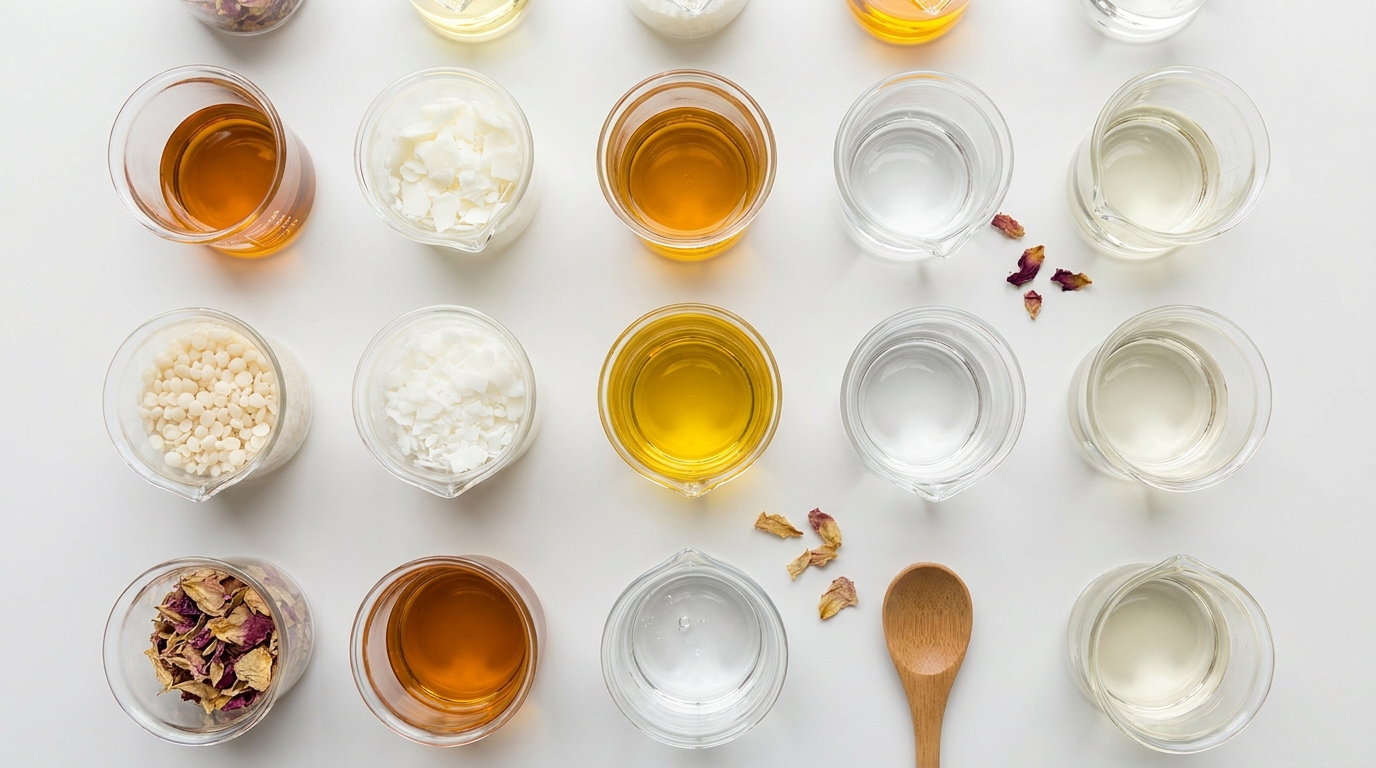
To avoid the shelf-life disasters and safety risks we just discussed, you must build your product on a solid foundation. You cannot fix a poorly planned formula later. Mastering your cosmetic ingredient selection process is the only way to ensure long-term success.
Every choice must serve the final product. Let us look at the core rules you must follow when picking your raw materials.
Aligning Ingredients with Purpose, Audience, and Packaging
Start with the end in mind. Your active components must match the product’s purpose. A lightweight daytime lotion requires completely different emulsifiers than a heavy night cream. You must also consider your target audience. Formulating for a “clean beauty” crowd means using plant-based emulsifiers. These natural options are often harder to stabilize than synthetic ones. They usually require extra thickeners, like xanthan gum, to prevent separation.
Packaging plays a massive role in stability. Jars expose your creams to air and light every time a customer opens them. If you use jars, you must include higher levels of antioxidants to prevent rancidity. Airless pumps protect sensitive compounds from oxidation. This closed environment allows you to use fewer preservatives and focus on active performance.
Sourcing High-Quality Cosmetic Ingredients
Even the best recipe fails if you use bad components. Cheap supplies often contain hidden impurities, like trace iron or copper ions. These stray metals catalyze oxidation and quickly ruin your emulsions. Sourcing high-quality cosmetic ingredients prevents these unexpected reactions in your mixing vats.
At Jiangsu Holly Uwill International Trade Co., Ltd., we eliminate these formulation risks. We leverage over 30 years of experience to manufacture premium moisturizers, flavor enhancers, and other essential materials. Our state-of-the-art facilities operate under strict ISO and FDA approvals. This ensures you receive pure, consistent batches every single time. When you start with dependable components, your final product stays stable on the shelf.
Understanding Chemical Properties of Raw Materials
You must understand how different chemicals interact before you mix them. Combining incompatible items causes immediate failure. Pay close attention to these three chemical properties:
- pH Levels: Many active compounds demand specific pH windows. L-Ascorbic Acid (Vitamin C) requires a pH below 3.5 to remain stable. Conversely, Niacinamide needs a pH between 5.0 and 7.0. If the pH drops too low, it hydrolyzes into irritating nicotinic acid.
- Polarity and HLB: Oil and water naturally repel each other. You must use the Hydrophilic-Lipophilic Balance (HLB) system to bind them. This scale runs from 1 to 20. Water-in-oil (W/O) emulsions typically need an HLB of 3 to 6. Oil-in-water (O/W) emulsions require an HLB of 8 to 18.
- Molecular Weight and Ions: Heavy polymers create structural networks that stop droplets from moving. However, they are sensitive to their environment. If you add high levels of electrolytes, like sodium PCA or aloe vera, synthetic thickeners like Carbomer will completely collapse.
Here is a quick reference guide on how these chemical properties dictate your formulation choices:
| Chemical Property | Formulation Impact | Real-World Example |
|---|---|---|
| pH Level | Dictates active stability and preservative efficacy. | Sodium Benzoate requires a pH below 5.5 to stop microbial growth. |
| HLB Value | Determines if oil and water phases will stay properly mixed. | O/W creams require an emulsifier blend with a combined HLB of 8-18. |
| Electrolyte Tolerance | Affects viscosity and the strength of the gel network. | Carbomer loses its viscosity with salts; natural gums survive. |
Navigating Ingredient Compatibility
As we covered earlier, checking individual chemical properties like pH and HLB is your first step. However, the real challenge begins when you combine these elements into a single batch. Ingredient compatibility is the most crucial factor in this process. You can select the best raw materials in the world, but if they clash in the beaker, your product will fail.
Formulators constantly mix synthetic chemicals with natural extracts. Plant-based components often contain hundreds of trace compounds. These trace elements can interact unpredictably with your base formula. If you ignore how these materials interact, you risk sudden phase separation, drastic color shifts, or foul odors. You must evaluate how every single component behaves next to its neighbors.
Ensuring Active Ingredient Harmony
Consumers demand high-performance skincare. They want formulas packed with potent compounds like Vitamin C, retinol, and peptides. However, cramming multiple actives into one bottle often creates chaos. Active ingredient compatibility dictates whether these additions work together or destroy each other.
Certain combinations easily neutralize efficacy or cause severe skin irritation. For example, peptides are highly sensitive to strong acids. If you mix them with high concentrations of alpha-hydroxy acids (AHAs), the peptides break down rapidly. Similarly, retinol oxidizes and degrades when exposed to improper pH levels or excessive heat. You must add sensitive actives during the cool-down phase, typically below 40°C, to prevent thermal degradation.
Sourcing reliable components simplifies this balancing act. At Jiangsu Holly Uwill International Trade Co., Ltd., our moisturizers and natural preservatives undergo rigorous compatibility testing. Backed by 30 years of manufacturing experience, our FDA-approved ingredients provide a stable, predictable base. This allows you to add sensitive actives without worrying about unexpected chemical reactions.
Binding the Formula: Emulsifiers and Thickeners
Even the best actives need a stable delivery system. You must use the right emulsifiers, solubilizers, and thickeners to keep your oil and water phases bound together seamlessly. Relying on a single emulsifier rarely works for complex formulations.
Chemists usually blend high and low HLB surfactants to achieve lasting stability. Combining Glyceryl Stearate with PEG-100 Stearate creates a highly robust interfacial film around oil droplets. This strong barrier prevents coalescence, a process where small droplets merge into larger ones until the cream completely separates.
Next, you need thickeners to lock those suspended droplets in place. Rheology modifiers create a structural network in the water phase that stops movement. As we noted regarding electrolyte tolerance, you must match your thickener to your active load. Natural gums like xanthan work beautifully for salt-heavy formulas. Keep your xanthan gum usage rates between 0.1% and 0.5%. This stabilizes the emulsion perfectly without making the final product feel slimy or tacky on the skin.
| Ingredient Clash | Resulting Problem | Formulation Solution |
|---|---|---|
| Strong Acids + Peptides | Peptides hydrolyze and lose all anti-aging efficacy. | Formulate in separate products or use encapsulated peptide delivery systems. |
| Electrolytes + Carbomer | The gel network collapses, causing an immediate loss of viscosity. | Switch to salt-tolerant thickeners like Xanthan or Sclerotium Gum. |
| Natural Oils + Oxygen | Oils go rancid, changing the product’s color and smell. | Use oil-soluble and water-soluble antioxidants in tandem for full protection. |
Essential Skincare Formulation Ingredients for Longevity
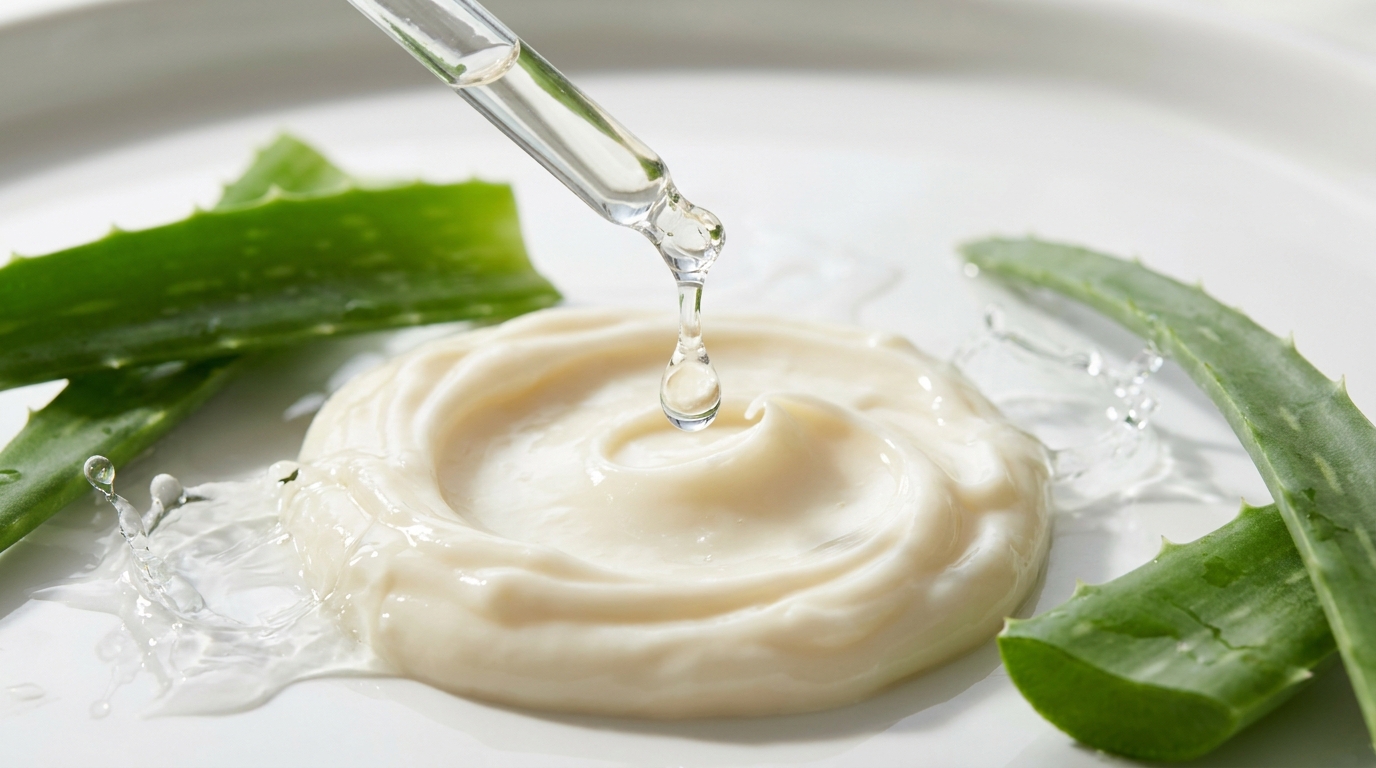
We just explored how emulsifiers and thickeners bind your oil and water phases. But what exactly are those phases made of? The core of your product dictates its overall lifespan. Choosing the right base skincare formulation ingredients is critical for creating a product that lasts. You need a solid foundation of water, oils, and protective agents to ensure long-term success.
Building a Stable Base: Water, Oils, and Butters
Every lotion or cream starts with a large water or oil phase. Standard O/W emulsions typically utilize a 15% to 30% oil phase. You must select these base materials carefully to avoid early separation.
Always use highly purified, deionized water. Tap water contains trace metal ions like iron and copper. These stray metals act as catalysts. They accelerate oxidation and quickly destroy your emulsion. Starting with pure water eliminates this hidden risk entirely.
Next, choose your carrier oils and plant butters. Natural oils provide excellent skin feel but remain highly prone to oxidation. If you formulate with rich plant butters or fragile botanical oils, you must protect them. You can also blend them with more stable synthetic emollients to improve overall longevity and texture.
Maintaining Structure with Moisturizers and Humectants
Water naturally evaporates from cosmetic products over time. This moisture loss causes creams to dry out, crack, or shrink inside the jar. You need humectants to trap that water and keep it exactly where it belongs.
Ingredients like glycerin, hyaluronic acid, and sodium PCA grab moisture and hold it within the formula. This maintains the product’s hydration and its physical structural integrity. However, as we noted earlier, high levels of electrolytes like sodium PCA can crash certain thickeners. You must balance your humectants with salt-tolerant gums to prevent viscosity loss.
Sourcing reliable moisturizers makes this balancing act much easier. At Jiangsu Holly Uwill International Trade Co., Ltd., we manufacture premium moisturizing agents backed by 30 years of industry experience. Our ISO and FDA-approved facilities deliver consistent, pure cosmetic raw materials. This consistency helps you maintain exact viscosity and hydration levels batch after batch.
Preventing Degradation: Preservatives and Antioxidants
A beautiful, well-hydrated base means nothing if it grows mold or smells rancid. You must actively protect your formula from microbiological and chemical degradation. This requires a two-pronged approach.
First, stop microbial growth. Formulators increasingly use natural preservatives to meet consumer demand. However, natural options are often weaker than synthetic ones and require strict pH control. For example, if you use potassium sorbate, you must keep the formula’s pH below 5.5 for it to remain active.
Second, stop chemical degradation using antioxidants and chelators. Antioxidants prevent the rancidity of natural oils. A standard usage rate for Vitamin E (Tocopherol) is 0.1% to 0.5% just for formula protection. To ensure comprehensive defense, pair an oil-soluble antioxidant like Tocopherol with a water-soluble one like Sodium Metabisulfite.
Finally, add a chelating agent to support your preservatives and antioxidants. Chelators neutralize those pesky metal ions we mentioned earlier.
| Protective Ingredient | Primary Function | Standard Usage & Rules |
|---|---|---|
| Natural Preservatives | Prevents bacterial, yeast, and fungal growth. | Requires strict pH monitoring (often <5.5) to remain active. |
| Antioxidants (e.g., Tocopherol) | Stops natural oils from going rancid and changing color. | Use 0.1% to 0.5% to protect the formula base. |
| Chelating Agents (e.g., Disodium EDTA) | Binds trace metal ions that catalyze oxidation. | Use 0.1% to 0.2% to stabilize the emulsion and boost preservatives. |
The Impact of the Cosmetic Manufacturing Process
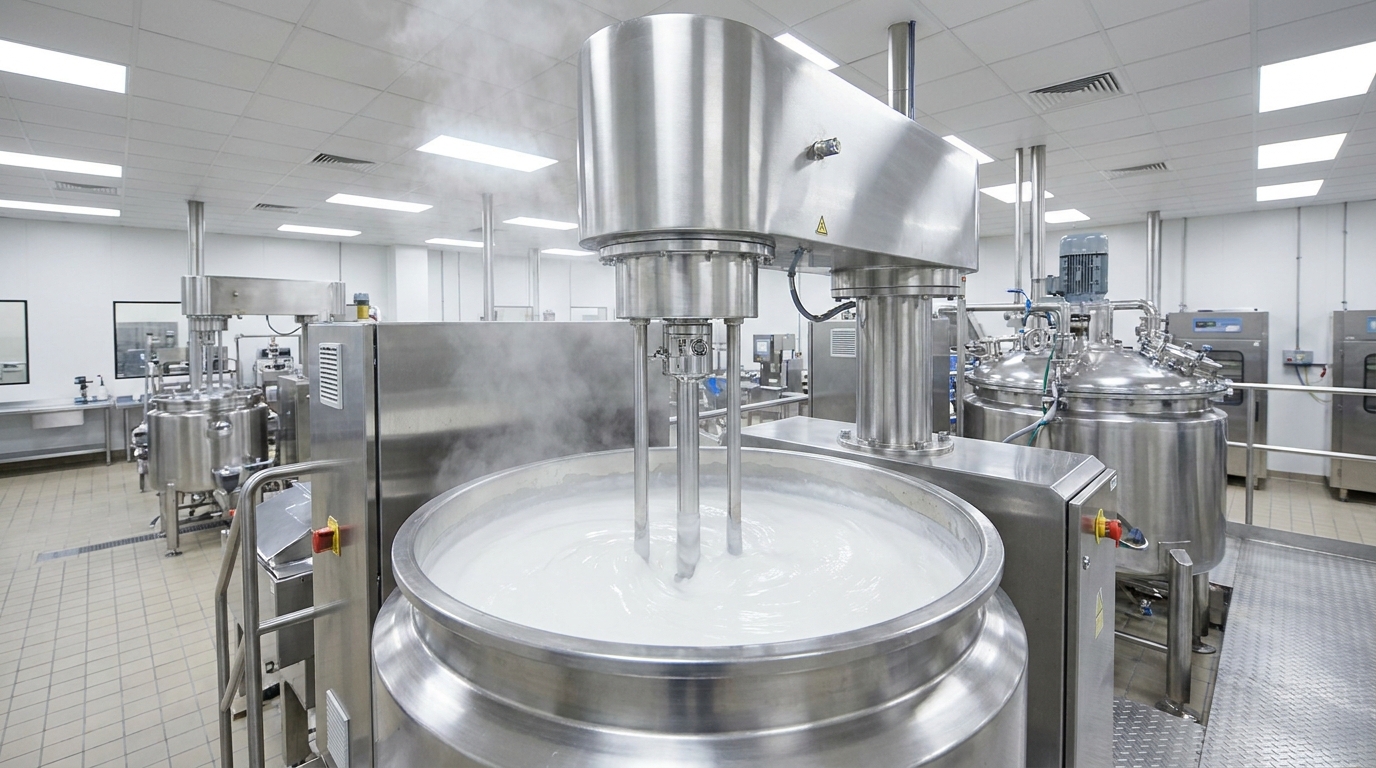
You just learned how to protect your formula using antioxidants and chelators. However, a chemically sound recipe can still fail on the factory floor. The cosmetic manufacturing process directly determines if your carefully chosen components stay together. How you mix them is just as important as what you mix.
Mastering Temperature and Shear Rates
Heat and physical force bind your oil and water phases. Most traditional emulsions require a hot process. You typically heat both phases to 70°C–75°C before combining them. At this temperature, waxes melt and emulsifiers activate. Next, you must apply high-shear mixing. Homogenization breaks the oil phase into microscopic droplets. If you use too little shear, these large droplets quickly coalesce and separate. If you mix too aggressively, you might destroy delicate polymer networks.
Temperature control during the cool-down phase is also critical. You must drop the batch temperature at a controlled rate. Improper cooling causes waxes and fatty alcohols to recrystallize. This leaves your final cream feeling grainy. Furthermore, never add delicate compounds during the hot phase. As we covered earlier, always incorporate heat-sensitive vitamins and extracts below 40°C. This prevents irreversible thermal degradation.
Working with a dependable cosmetic ingredient supplier makes this easier. At Jiangsu Holly Uwill International Trade Co., Ltd., our raw materials offer robust thermal stability. Backed by 30 years of experience, our ISO and FDA-approved ingredients withstand standard processing stresses. They maintain their integrity from the heating vat to the cool-down phase.
Preventing Aeration and Contamination
The final production stages carry hidden risks. Aeration occurs when mixing blades pull air into the batch. Trapped air bubbles completely ruin physical stability. They introduce excess oxygen, which rapidly oxidizes your natural oils. Air also alters the specific gravity of your cream. This causes inconsistent fill weights on the production line. You must mix under a vacuum or adjust blade speeds to prevent bubbling.
Finally, you must maintain strict sanitation during the filling stage. Dirty nozzles or unsterilized packaging introduce bacteria right before sealing. This easily overwhelms the natural preservatives we discussed earlier. A sterile filling environment ensures your product passes safety tests and reaches the consumer in perfect condition.
| Manufacturing Step | Common Mistake | Stability Consequence | Best Practice |
|---|---|---|---|
| Emulsification | Insufficient high-shear mixing. | Oil droplets remain too large and the cream separates. | Homogenize phases at 70°C–75°C until uniform. |
| Cool-Down Phase | Cooling the batch too quickly. | Waxes recrystallize and create a grainy texture. | Lower temperature gradually while using low-shear sweep mixing. |
| Final Mixing | Creating a vortex that pulls in air. | Trapped oxygen accelerates active ingredient degradation. | Mix under a vacuum or keep blades fully submerged. |
Conducting Rigorous Product Stability Testing
You just saw how manufacturing stresses like aeration and improper cooling can destroy a perfectly balanced recipe. Even if your batch survives the factory floor, your work is not finished. You must prove it will survive the real world.
Product stability testing is a non-negotiable step before launching any new beauty item. It confirms your ingredient choices hold up under extreme conditions over time. Testing protects your brand reputation and guarantees consumer safety. Let us explore how to validate your final formula.
Why Testing is Non-Negotiable Before Launch
Theoretical chemistry only takes you so far. You might calculate the perfect HLB value and use the best chelators. However, unexpected reactions still happen. Testing reveals hidden flaws you cannot see on a spreadsheet.
It shows you exactly how your product behaves months after leaving the warehouse. Skipping this step leads to recalled batches, separated creams, and angry customers. You need concrete data. This data guarantees your product remains safe, effective, and visually appealing throughout its entire lifecycle.
Overview of Standard Testing Methods
Formulators rely on three main testing protocols. Each method stresses the product differently to uncover specific weaknesses.
- Accelerated Aging: This test subjects the formula to high heat and humidity. Keeping a sample at 40°C and 75% relative humidity for 12 weeks roughly equals one year at room temperature. It quickly exposes chemical degradation and rancidity.
- Freeze-Thaw Cycles: You subject the product to extreme temperature swings. A standard test involves 3 to 5 cycles of freezing and thawing. This rapidly identifies physical instability, like the coalescence of oil droplets.
- Real-Time Shelf-Life Testing: You store samples at normal room temperature for one to three years. This provides the most accurate data and serves as the ultimate baseline for your expiration dates.
Sourcing dependable components makes passing these tests much easier. At Jiangsu Holly Uwill International Trade Co., Ltd., we manufacture high-quality materials designed for longevity. Backed by over 30 years of industry experience, our ISO and FDA-approved moisturizers and natural preservatives withstand these rigorous testing protocols. Starting with our reliable base materials ensures your formula performs consistently under extreme stress.
Interpreting Results to Adjust Your Formulation
Testing data is useless if you do not know how to read it. When a test fails, you must identify the root cause immediately. You then adjust your cosmetic formulation to fix the specific vulnerability.
If your cream separates after two freeze-thaw cycles, your structural network is too weak. You likely need to increase your rheology modifiers or rebalance your emulsifiers. If a lotion turns brown during accelerated aging, oxidation is occurring. You must increase your antioxidants or switch to airless packaging.
| Test Failure Observation | Probable Root Cause | Necessary Formulation Adjustment |
|---|---|---|
| Separation during freeze-thaw cycles. | Insufficient structural network or poor emulsifier blend. | Increase thickeners (e.g., xanthan gum) or adjust the HLB ratio. |
| Color change or rancid odor at 40°C. | Oxidation of natural oils or sensitive active compounds. | Add a chelating agent and increase oil-soluble antioxidants. |
| Sudden viscosity drop during real-time aging. | Electrolyte interference or polymer degradation over time. | Switch to a salt-tolerant gum or adjust the formula’s pH level. |
Partnering with a Reliable Cosmetic Ingredient Supplier
You just learned how rigorous testing exposes hidden flaws in your recipe. If your cream fails a freeze-thaw cycle or oxidizes at 40°C, the problem often starts long before the mixing vat. It begins right at the source. The long-term success of your product heavily relies on choosing a trustworthy partner.
Theoretical chemistry fails if your raw materials carry hidden impurities. Trace metals or inconsistent pH levels will quickly ruin the best recipe. Every successful Cosmetic formulation requires pure, predictable inputs. You must evaluate your partners based on strict quality control and ethical practices. Consistent, cost-effective pricing is also vital for your bottom line.
Evaluating Your Supply Chain
Inconsistent raw materials cause massive headaches. If a batch of natural preservatives varies in strength, your final product might fail its safety tests. You need a partner who guarantees uniformity every single time.
At Jiangsu Holly Uwill International Trade Co., Ltd., we eliminate these supply chain risks entirely. We leverage over 30 years of experience to provide high-quality chemical ingredients. Our expertise spans natural preservatives, flavor enhancers, and premium moisturizers. We serve diverse industries including cosmetics, food, pharmaceuticals, and household products.
The Advantage of Global Facilities and Strict Standards
A strong supply chain keeps your production lines moving. We operate state-of-the-art production facilities in China and overseas. This global footprint enables us to meet diverse market demands quickly. It also ensures highly efficient supply chain management and cost-effective pricing for your brand.
Sustainability and ethical practices drive our daily operations. We ensure every item we manufacture adheres strictly to international safety and environmental standards. Our ISO and FDA approvals reflect our unwavering dedication to quality.
Here is what you should look for when securing your raw materials:
| Supplier Criteria | Why It Matters for Stability | The Jiangsu Holly Uwill Advantage |
|---|---|---|
| Quality Control | Prevents trace impurities from destabilizing emulsions. | ISO and FDA-approved facilities guarantee pure, consistent batches. |
| Supply Chain Efficiency | Ensures you always have fresh materials for production. | State-of-the-art facilities in China and overseas prevent delays. |
| Industry Expertise | Helps you select the exact chemical grade you need. | Over 30 years of experience manufacturing natural preservatives and moisturizers. |
Conclusion
Selecting the right cosmetic ingredients ensures reliable product stability. You must balance innovative beauty claims with safe, long-lasting results. Always source raw materials responsibly for your formulas. Partner with an experienced supplier like Jiangsu Holly Uwill. We offer high-quality, ISO-certified components to perfect your line.
- Review your current formula for potential chemical clashes.
- Request stability testing data from your raw material suppliers.
- Order small ingredient samples to run baseline compatibility checks.
Frequently Asked Questions About Choosing Cosmetic Ingredients for Stable Formulations
Why is my cosmetic cream separating?
Creams often separate due to incorrect emulsifier choices. You must match the oil phase HLB perfectly. Insufficient mixing shear also causes rapid separation. Sometimes, adding too many electrolytes breaks the emulsion. You can fix this by using non-ionic emulsifiers. Salt-stable thickeners like xanthan gum help prevent this issue.
How can I stabilize natural cosmetic formulations?
Natural formulations face unique challenges with weak preservatives. Plant-based emulsifiers can also be tricky to stabilize. You need high-quality natural preservatives to stop microbial growth. Jiangsu Holly Uwill offers excellent natural preservatives and moisturizers. Their ingredients meet strict ISO and FDA safety standards. Always test your natural formula with a freeze-thaw cycle.
Why did my lotion change color over time?
Color changes usually happen because active ingredients oxidize. Ingredients like Vitamin C degrade quickly when exposed to air. Extreme pH shifts can also alter the final color. You should use chelating agents to neutralize metal ions. Adding antioxidants like Vitamin E protects the formula well. Airless pump packaging further prevents harmful oxidation issues.
What causes a grainy texture in cosmetic creams?
A grainy texture happens when fatty alcohols recrystallize. Waxes can also form grains if cooled too slowly. Improper cooling rates allow these solid ingredients to clump. You must control the cool-down phase very carefully. Add sensitive active ingredients only when temperatures drop below 40°C. Proper homogenization ensures a smooth and stable final texture.
How does pH affect cosmetic ingredient stability?
Every active ingredient has a specific stable pH window. Vitamin C needs a pH below 3.5 to work. Niacinamide remains stable between pH 5.0 and 7.0. Extreme pH levels can destroy your active cosmetic ingredients. Natural preservatives also require specific pH levels to function. Using buffers like citric acid maintains a narrow pH range.
- Calculate the exact HLB value for your oil phase.
- Source natural preservatives from trusted suppliers like Jiangsu Holly Uwill.
- Conduct accelerated stability testing at elevated temperatures for twelve weeks.
- Select appropriate thickeners based on the electrolyte content present.
Choosing the right cosmetic ingredients guarantees long-lasting formula stability. You must balance emulsifiers and control the final pH. Selecting high-quality raw materials prevents separation and unwanted color changes. Trusted suppliers provide reliable ingredients for your specific manufacturing needs. Proper testing ensures your products remain safe and effective.
 Arabic
  English
  Russian
  Spanish
  Japanese
  Korean