

Why do expensive serums often turn brown?
Ingredient stability keeps formulations safe and effective.
Unstable products lose potency and ruin consumer trust.
A reliable chemical ingredients supplier prevents these failures.
In this post, we will explore environmental triggers.
You will also discover formulation challenges and packaging solutions.
What is Cosmetic Ingredient Stability?
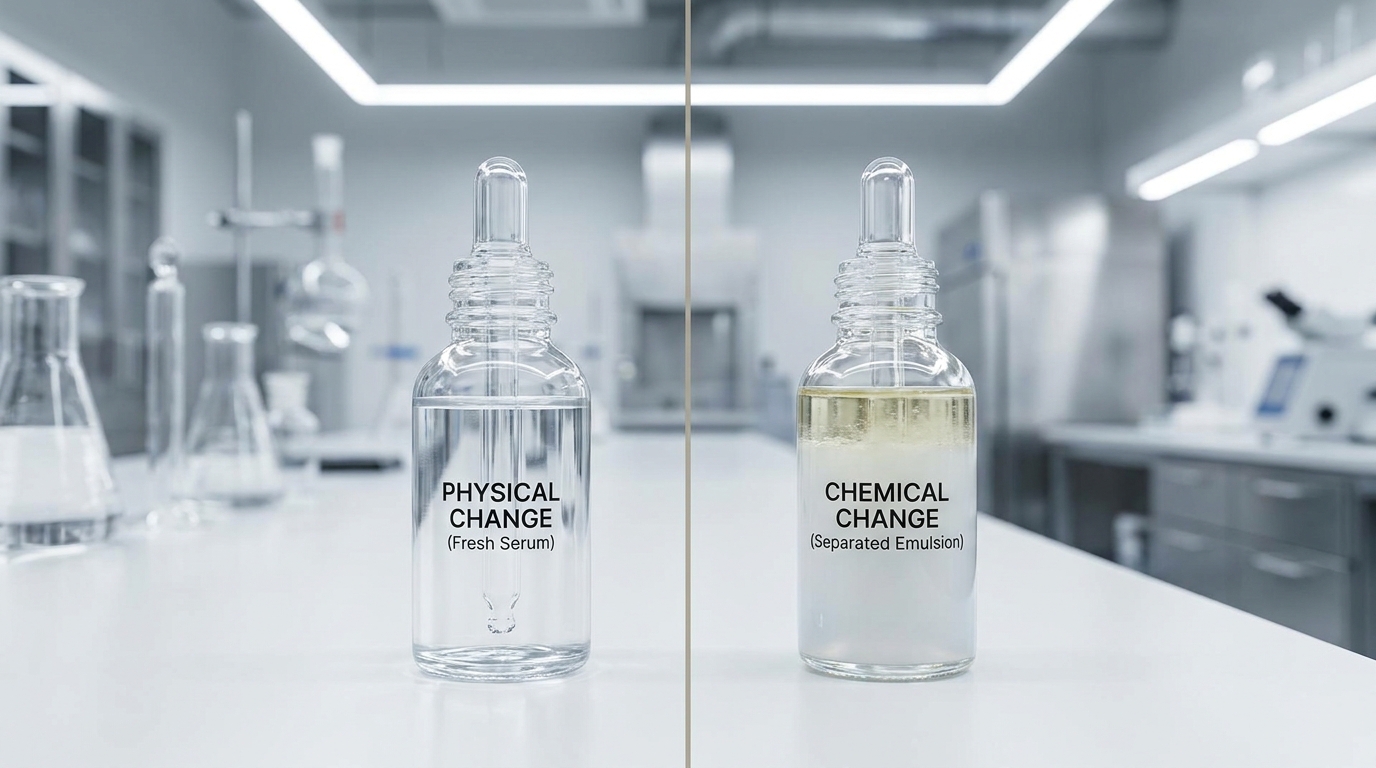
Before we tackle those environmental triggers and packaging solutions, we must define what we are actually protecting. Understanding the factors affecting ingredient stability starts with knowing the basics. At its core, cosmetic ingredient stability means a product maintains its original properties. It must survive specific storage conditions until its expiration date. If these properties fail, the entire product fails.
Defining the Three Pillars of Stability
We generally break stability down into three main categories. Each plays a specific role in keeping your product safe.
- Physical Stability: This relates to appearance and texture. It prevents phase separation, where emulsions split into distinct oil and water layers. It also maintains the intended viscosity.
- Chemical Stability: This ensures active ingredients do not degrade. It protects molecular integrity and potency. It stops oxidation from destroying sensitive vitamins.
- Microbiological Stability: This keeps the formulation safe from bacterial or fungal growth. Maintaining proper moisture levels and using effective preservatives is crucial here.
The Shelf Life Connection
Stability directly dictates a product shelf life. It also determines the Period After Opening (PAO). The PAO is that open-jar symbol on your packaging. It tells consumers how many months the product remains safe after they open it. Achieving strong skincare formulation stability ensures these timelines remain accurate. Brands often use Accelerated Stability Testing. They expose formulas to 40°C and 75% relative humidity to simulate long-term storage.
Why It Matters for Your Brand
Unstable products carry very severe risks. They lose efficacy long before the expiration date. Active ingredients like retinol or Vitamin C degrade quickly. Consumers end up using completely useless serums. You might also notice unpleasant odors or severe color changes. Worse, degraded components can cause severe skin irritation.
To avoid these pitfalls, you need high-quality inputs from the start. Partnering with an experienced supplier makes a huge difference. At Jiangsu Holly Uwill International Trade Co., Ltd., we bring over 30 years of experience to your formulations. We provide ISO and FDA-certified natural preservatives, moisturizers, and flavor enhancers. Our sustainable ingredients help you build a resilient formulation matrix. They keep your products safe, effective, and trusted by consumers.
| Stability Type | What It Protects | Common Failure Signs |
|---|---|---|
| Physical | Texture and appearance | Separation, clumping, viscosity loss |
| Chemical | Potency and molecular structure | Discoloration, bad odor, efficacy drop |
| Microbiological | Consumer safety | Mold growth, bacterial contamination |
Primary Environmental Factors Affecting Ingredient Stability
We just explored the three pillars of stability and how they protect your product. Now, we must examine the outside forces threatening to break them down. Environmental triggers constantly test your formulas during transport and storage. Understanding these factors affecting ingredient stability helps you prevent premature product failure.
Temperature Fluctuations
Extreme heat rapidly accelerates underlying chemical reactions. Formulators often refer to the Q10 Rule here. Chemical reaction rates typically double or triple for every 10°C increase in temperature. This rapid heat degrades active components and breaks down emulsions. We call this heat-induced breakdown thermolysis.
Cold environments pose completely different threats. You might think refrigeration always extends shelf life. It does not. Freezing temperatures often cause severe phase separation. Certain ingredients crystallize or lose solubility when they get too cold. You need an optimal storage baseline. The general rule dictates keeping products cool, dry, and dark. Aim for storage temperatures consistently below 25°C.
Light Exposure (UV Radiation)
Light easily destroys sensitive active ingredients. Ultraviolet (UV) radiation triggers a damaging process called photodegradation. UV-B rays, falling between 280 and 315 nm, carry immense energy. They are incredibly destructive to delicate formulations.
When light hits unprotected formulas, it breaks molecular bonds. Active ingredients like Retinol and Vitamin C degrade rapidly under these conditions. The product quickly loses its intended potency. You must use protective packaging, like amber glass or opaque plastics, to block these harmful wavelengths.
Oxygen and Oxidation
Air exposure leads directly to severe oxidative stress. Oxygen reacts aggressively against your formulation matrix. Reaction rates increase exponentially as oxygen concentration rises. This exposure causes rapid lipid oxidation, making oils turn rancid and foul-smelling.
Interestingly, reducing oxygen by just 1% significantly extends lipid shelf life. You combat this threat by incorporating antioxidant cosmetic ingredients. These natural defenders act as radical scavengers. They neutralize free radicals before they destroy your formula. At Jiangsu Holly Uwill International Trade Co., Ltd., we provide highly stable, natural options. Our FDA-certified raw materials help you fight oxidation effectively.
Moisture and Humidity
Environmental moisture directly impacts water activity (Aw) inside your product. Water activity dictates microbial survival. Most bacteria stop growing when Aw drops below 0.91. Molds and yeasts halt at Aw levels under 0.60.
High humidity introduces excess water into the formula. Hygroscopic ingredients absorb this moisture straight from the air. They can take on 10 to 20% of their weight in water. This leads to severe clumping or water-induced degradation called hydrolysis. Controlling humidity is vital for stabilizing cosmetic formulations. You must pair good moisture control alongside reliable natural preservatives. Our customized formulation solutions ensure your products resist these environmental moisture shifts.
| Environmental Factor | Primary Degradation Pathway | Key Preventive Measure |
|---|---|---|
| Temperature Extremes | Thermolysis / Crystallization | Store below 25°C; avoid freezing |
| UV Light (280-315 nm) | Photodegradation | Use opaque or amber packaging |
| Oxygen Exposure | Oxidation / Rancidity | Add natural radical scavengers |
| High Humidity | Hydrolysis / Microbial Growth | Control Aw levels; use preservatives |
Chemical and Formulation Factors Affecting Ingredient Stability
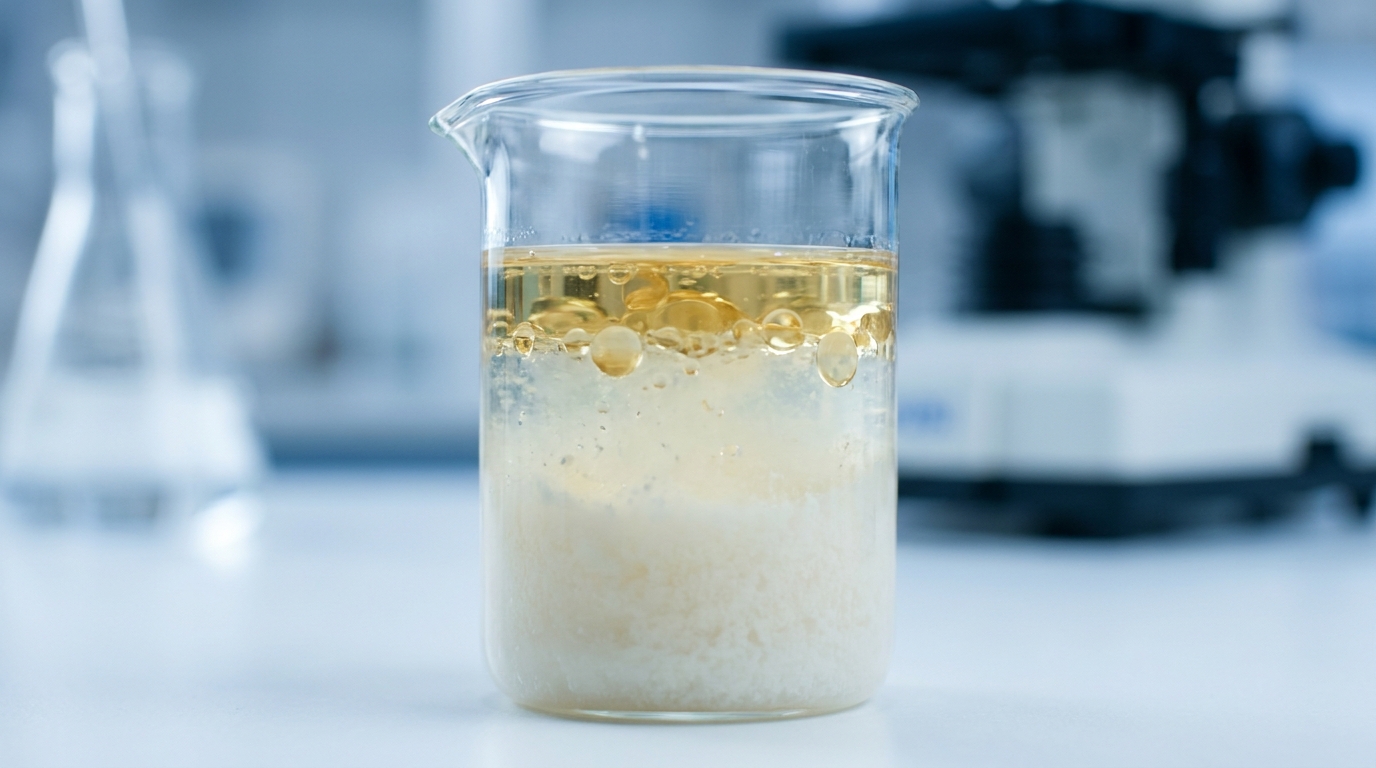
We just saw how outside forces like humidity and UV light attack your products. Controlling water activity and using protective packaging are great first steps. However, the real battle often happens entirely inside the bottle. The chemical environment you create directly dictates success or failure. Let’s look at the internal formulation factors affecting ingredient stability.
The Crucial Role of pH Levels
Every active ingredient has a preferred pH range. If you formulate outside this window, ingredients degrade rapidly. For example, Ascorbic Acid (Vitamin C) remains most stable at a pH below 3.5. Vitamin B12 prefers a range between 4.0 and 7.0. A sudden shift in pH, known as pH drift, is a major red flag. It indicates underlying chemical instability. Formulators often use buffering agents to lock the pH in place. This protects sensitive compounds from breaking down prematurely.
Managing Ingredient Incompatibility
Raw materials do not always play nicely together. Certain active ingredients clash directly against specific excipients or impurities. For instance, trace metals like iron or copper often sneak into formulations. Even at concentrations below 1 ppm, they catalyze rapid lipid oxidation. You can prevent this using chelating agents like citric acid. They tie up these metal ions before they cause harm. When sourcing bulk cosmetic raw materials, you must always check for these potential interactions. Pairing incompatible acids and peptides will neutralize both components entirely.
Preventing Emulsion Breakdown
Lotions and creams are typically emulsions of oil and water. Because these two naturally repel each other, physical instability remains a constant threat. You might see creaming, where oil rises to the top. You might also notice sedimentation, where heavy particles sink. Flocculation and coalescence happen when droplets clump together and merge into larger pools. To stop this phase separation, you need high-quality emulsifiers. They adjust the viscosity and polarity of your base. This keeps the formulation matrix perfectly suspended.
Ensuring Preservative Efficacy
As we covered earlier, moisture feeds microbial growth. To stop bacteria and mold, your preservatives must remain active over the entire shelf life. However, clean label trends make this challenging. Brands want to avoid synthetic options like parabens. The solution lies in robust natural alternatives.
As an experienced cosmetic raw materials manufacturer, Jiangsu Holly Uwill International Trade Co., Ltd. specializes in these solutions. We manufacture highly effective natural preservatives and moisturizers. Our FDA-certified ingredients perform reliably across various pH levels. They keep your products safe from spoilage without relying on harsh synthetics. Building a stable formula requires these reliable, high-quality inputs.
| Formulation Issue | Underlying Cause | Practical Solution |
|---|---|---|
| pH Drift | Active ingredient degradation over time | Incorporate effective buffering agents |
| Lipid Oxidation | Trace metal contamination (< 1 ppm) | Add chelating agents like Citric Acid |
| Coalescence / Creaming | Poor oil and water suspension | Use high-quality emulsifiers to adjust viscosity |
| Microbial Spoilage | Ineffective or degraded preservatives | Use stable, natural preservatives suitable for the pH |
Packaging Factors Affecting Ingredient Stability
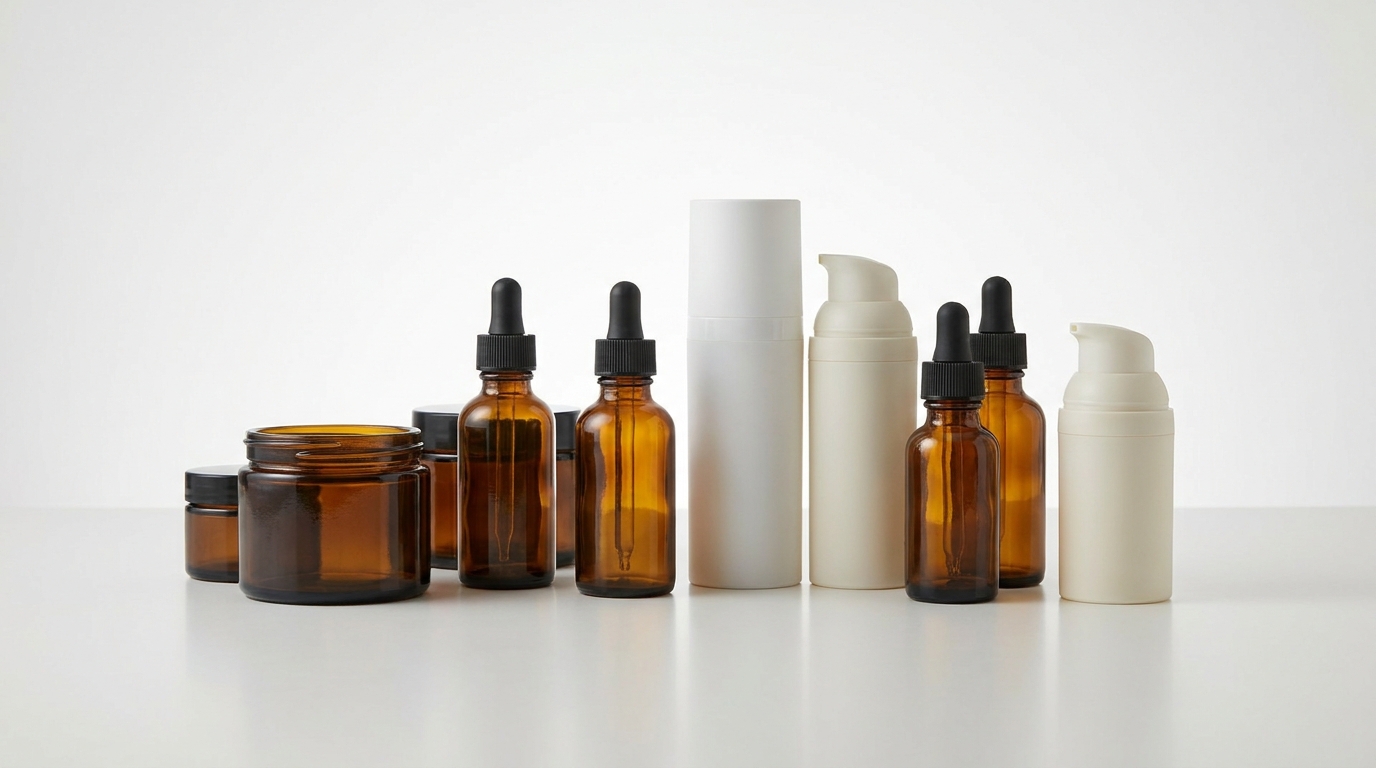
We just looked at how pH levels and emulsifiers control the internal chemical environment. Before that, we explored environmental triggers like UV light and humidity. Now, we must connect these two concepts. Your formulation needs a physical shield. Packaging serves as the final defense line. It blocks outside threats and keeps the internal matrix intact. Let’s examine the crucial packaging factors affecting ingredient stability.
Material Compatibility and Transmission Rates
Not all packaging materials treat your formulas equally. You must match the container directly to the product. Glass provides an excellent, inert barrier. It rarely reacts with internal chemicals. However, glass is heavy and breaks easily. Plastics like PET or HDPE offer lightweight alternatives. They come with specific Oxygen Transmission Rates (OTR). They also have different Water Vapor Transmission Rates (WVTR).
If a plastic allows too much moisture through, your product dries out. Furthermore, incompatible plastics can leach monomers into your formula. Sometimes, the plastic absorbs the active ingredients instead. You need high-quality inputs from a reliable chemical ingredients supplier. At Jiangsu Holly Uwill International Trade Co., Ltd., we provide highly stable raw materials. Our FDA-certified ingredients resist degradation even during minor packaging interactions.
Airless Systems and Opaque Barriers
As we covered earlier, UV light and oxygen destroy sensitive compounds. Packaging must actively block these specific threats. Amber glass stops destructive UV-B wavelengths from reaching the product. Opaque plastics also prevent rapid photodegradation. Active ingredients like Retinol require this dark environment to survive.
To fight oxidation, many brands use airless pump systems. These containers push the product up without letting air back in. No, packaging alone cannot solve oxidation entirely. You must also manage the headspace oxygen trapped during manufacturing. Formulators often use a process called nitrogen flushing. They replace the air at the top of the bottle with inert nitrogen. This stops oxygen from reacting before the consumer even opens it.
Seal Integrity and Contamination Prevention
A bottle is only as good as its cap. Poor seals ruin perfectly balanced formulas. If a cap leaks air, environmental moisture creeps inside. As we learned earlier, this shifts the water activity. Higher water activity quickly invites unwanted microbial growth.
Tight seals prevent airborne bacteria from entering the product. They also stop volatile compounds from escaping. If moisture evaporates through a weak seal, the product thickens. The concentration of active ingredients spikes dramatically. This sudden spike can cause severe skin irritation. Strong seal integrity keeps your product safe and consistent. It protects the formula from the factory directly to the bathroom shelf.
| Packaging Feature | Primary Threat Mitigated | Formulation Impact |
|---|---|---|
| Amber Glass / Opaque Plastic | UV-B Light (Photodegradation) | Prevents breakdown of sensitive vitamins and actives. |
| Airless Pumps | Oxygen Exposure (Oxidation) | Keeps lipid-based formulas from turning rancid. |
| High-Barrier Plastics (PET) | Moisture Loss / Gain (WVTR) | Maintains intended viscosity and water activity. |
| Tight Induction Seals | Airborne Contamination | Stops microbial growth and moisture evaporation. |
How to Test and Ensure Skincare Formulation Stability
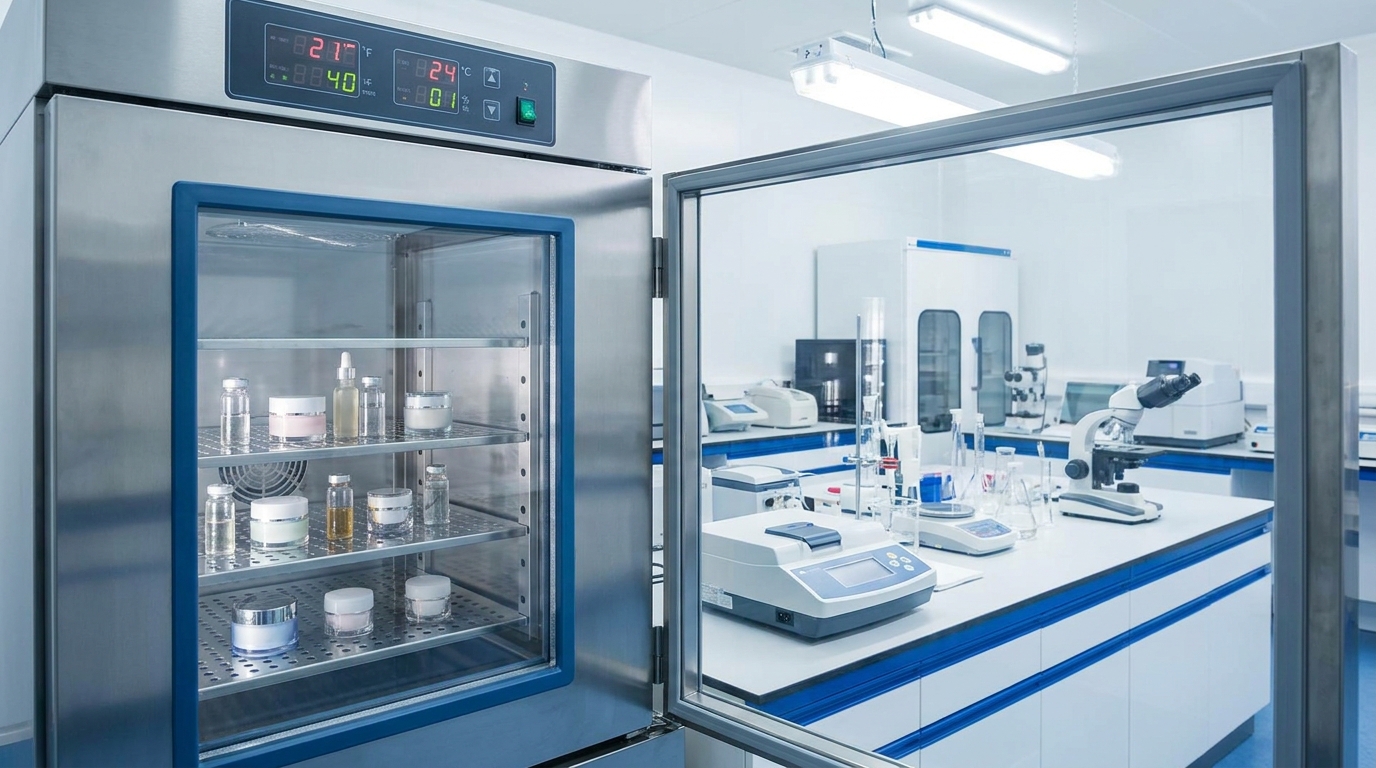
We just explored how carefully balanced pH levels and emulsifiers create a stable internal matrix. We also saw how the right packaging acts as a physical shield against UV light and oxygen. However, designing a strong formula is only the first step. You must prove it actually works. To truly manage the factors affecting ingredient stability, you need rigorous testing protocols. These tests ensure your product survives the journey from the factory to the consumer.
Accelerated Stability Testing
You cannot always wait two years to see if a new lotion separates. Brands use Accelerated Stability Testing (AST) to speed up the aging process. As we noted earlier, heat rapidly accelerates chemical reactions. Testers place products inside controlled environmental chambers. They typically expose the formulas to 40°C and 75% relative humidity.
This harsh environment simulates long-term storage in just a few months. It pushes the formulation matrix to its absolute limits. AST quickly reveals underlying physical or chemical flaws. You will see immediately if the emulsion breaks, the color shifts, or the active components degrade.
Real-Time Stability Testing
Accelerated testing provides quick answers, but it cannot entirely replace reality. Some ingredients react unpredictably to sudden, extreme heat. They might crystallize or separate in ways they never would under normal conditions. Therefore, you must also conduct Real-Time Stability Testing.
You store the product exactly as a consumer would. This usually means keeping it below 25°C in a cool, dry place. You monitor the samples periodically over their entire intended shelf life. This process confirms the accelerated results. It ensures the product remains completely safe and effective until the expiration date.
Microbiological Challenge Testing (PET)
Earlier, we discussed how environmental moisture feeds bacterial growth. You must ensure your formulation actively stops this threat. Formulators use Microbiological Challenge Testing to verify safety. Industry professionals often call this a Preservative Efficacy Test (PET).
Testers intentionally inoculate the formulation with high levels of bacteria, yeast, and mold. They then monitor the sample over 28 days. A successful test shows the microbial count dropping significantly. It proves your preservatives remain active and effective. This step is especially critical when formulating without harsh synthetic chemicals.
Collaborating with Your Supplier
Passing these rigorous tests requires high-quality inputs from the very beginning. You should always work closely with your ingredient provider. They understand the specific chemical behaviors and limitations of their raw materials. They can provide essential baseline stability data before you even begin mixing.
At Jiangsu Holly Uwill International Trade Co., Ltd., we bring over 30 years of experience to this process. We manufacture highly stable natural preservatives, moisturizers, and flavor enhancers. Our FDA and ISO-certified ingredients deliver consistent, reliable performance. We offer customized formulation solutions tailored to your specific needs. This ethical, sustainable approach helps you build resilient products and prevents costly testing failures.
| Testing Protocol | Primary Purpose | Typical Conditions |
|---|---|---|
| Accelerated Stability Testing (AST) | Simulate long-term aging quickly | 40°C and 75% Relative Humidity |
| Real-Time Stability Testing | Confirm actual shelf-life performance | Normal storage (below 25°C) |
| Preservative Efficacy Test (PET) | Verify microbial defense systems | Inoculation with bacteria and mold |
Sourcing High-Quality Ingredients for Stable Formulations
We just discussed how rigorous testing protocols like AST and PET prove your formula works. But passing these tests relies entirely on what goes into the bottle first. You cannot test your way out of poor ingredients. Sourcing high-quality inputs is the absolute foundation of success. Let’s look at how the right supplier helps you manage the factors affecting ingredient stability from day one.
The Role of the Supplier
The journey to a stable product begins long before mixing starts. It begins deep inside your supply chain. The purity, origin, and consistency of your bulk cosmetic raw materials dictate everything else. Trace impurities, like heavy metals, trigger rapid lipid oxidation. As we covered earlier, even 1 ppm of iron ruins an emulsion. A reliable chemical ingredients supplier guarantees batch-to-batch consistency. They ensure your base materials remain completely pure. This strict consistency prevents unexpected reactions and keeps your formulation matrix intact.
Expertise and Certification
You cannot just take a supplier at their word. You need documented proof of quality. Partnering with an established manufacturer backed by global certifications is non-negotiable. Look for facilities holding ISO and FDA certifications. These credentials prove the supplier follows strict safety and quality standards. Certified facilities maintain rigorous quality control during extraction and processing. This level of expertise ensures your raw materials arrive in optimal condition. It removes the guesswork when you face unexpected formulation challenges.
Company Spotlight: Jiangsu Holly Uwill
Finding a partner possessing this level of expertise makes a massive difference. At Jiangsu Holly Uwill International Trade Co., Ltd., we bring over 30 years of experience to your projects. We operate as a leading provider of high-quality chemical ingredients across multiple global industries. Our clients span cosmetics, food, pharmaceuticals, and household products. We specialize in manufacturing premium natural preservatives, flavor enhancers, and moisturizers. Every ingredient we produce meets those strict ISO and FDA standards. We provide the reliable foundation your products need to survive long-term storage.
Customized Formulation Solutions
Off-the-shelf ingredients do not always solve complex problems. Sometimes you need a tailored approach to fight the specific factors affecting ingredient stability. Our state-of-the-art facilities allow us to create highly customized formulation solutions. We focus heavily on sustainable and ethical manufacturing practices. Whether you need a robust natural preservative to combat high water activity or a specific moisturizer resisting thermolysis, we can help. These customized inputs integrate seamlessly into your base. They help global personal care brands overcome environmental triggers and build products consumers trust.
| Supplier Attribute | Direct Formulation Benefit | Impact on Stability |
|---|---|---|
| High Purity Standards | Absence of trace metals or impurities | Prevents premature lipid oxidation and rancidity. |
| ISO and FDA Certification | Guaranteed safety and regulatory compliance | Ensures reliable preservative and active performance. |
| Batch-to-Batch Consistency | Predictable chemical behavior every time | Stops unexpected pH drift or emulsion breakdown. |
| Customized Solutions | Ingredients tailored to specific matrix needs | Overcomes unique environmental or packaging challenges. |
Conclusion
Environment, chemistry, and packaging heavily impact your product stability. Stabilizing formulations is an ongoing process starting with raw material selection. Brands must prioritize ethical, sustainable, and customized ingredients for consumer safety. Choose a trusted cosmetic raw materials manufacturer today. Jiangsu Holly Uwill International Trade Co., Ltd. supplies premium chemical ingredients globally.
- Audit current formulas for potential chemical incompatibilities.
- Request baseline stability data from your suppliers.
- Switch to UV-blocking containers for sensitive ingredients.
Frequently Asked Questions About Factors Affecting Ingredient Stability
Why do active ingredients lose their power before the expiration date?
Many active ingredients like Vitamin C are very sensitive. Light, heat, and air can easily break them down. This process is known as chemical degradation. Temperature changes during shipping often speed up this reaction. Even a small heat increase can double the degradation rate. Proper storage is crucial to maintain their full strength.
Does keeping products in the fridge always make them last longer?
Refrigeration does not always extend a product’s shelf life. Some ingredients actually lose their solubility at low temperatures. This can cause unwanted crystals to form in the mixture. Cold environments might also change the physical texture of emulsions. You should always check specific storage rules for each ingredient. Usually, a cool, dry, and dark place works best.
Can good packaging alone stop ingredients from breaking down?
High-quality packaging is helpful, but it cannot solve everything. Dissolved oxygen inside the actual product can still cause damage. Air trapped at the top of the bottle also causes oxidation. Manufacturers must manage this trapped air during the sealing process. Nitrogen flushing is a great way to push this oxygen out. You need both smart packaging and proper formulation for success.
How can I keep products stable without using synthetic preservatives?
You can achieve great stability using high-quality natural alternatives. Jiangsu Holly Uwill International Trade Co., Ltd. specializes in these solutions. We manufacture natural preservatives and flavor enhancers for global brands. Our ISO and FDA certified facilities ensure safe and sustainable options. Natural extracts like rosemary can effectively replace synthetic chemicals like BHT. You might just need slightly higher dosages for the same protection.
What causes lotions or liquids to separate over time?
Phase separation usually happens due to poor physical stability. Temperature changes can easily break down the protective emulsifiers. High moisture levels might also cause ingredients to clump together. The viscosity of your base formula plays a huge role here. Using the right blending methods helps keep the mixture perfectly smooth. Proper chelating agents can also prevent trace metals from ruining textures.
- Review your current packaging for oxygen and moisture barriers.
- Switch to natural preservatives for cleaner and safer product labels.
- Test formulations under accelerated heat and humidity conditions.
- Partner with a certified supplier for customized ingredient solutions.
 English
 Russian
 Spanish
 Japanese
 Korean
 Arabic